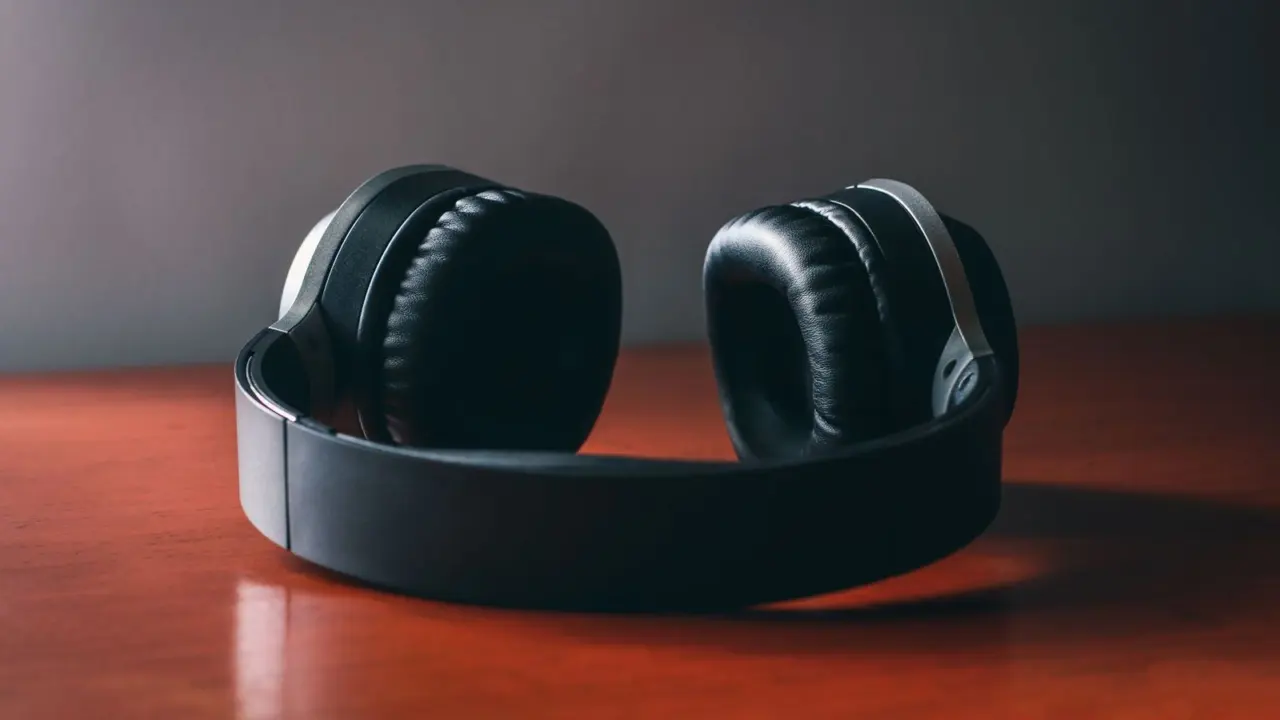
Active noise cancellation works by listening to outside sound with microphones and playing back an inverted copy through the speakers, so the two waves cancel. This is how noise cancelling works, and it is why the effect is strongest on steady, low-pitched rumble.
For the wider context on audio gear, see the gadget buying guide, which covers how to weigh specifications across product types.
The core idea: cancelling sound with sound
Sound is a pressure wave made of alternating compressions and thinner patches of air. Per Wikipedia’s entry on active noise control, a noise-cancellation speaker emits a sound wave with the same amplitude but with an inverted phase relative to the original sound. When the two waves meet, they combine in a process called interference, and the encyclopedia describes the cancelling result as destructive interference.
Put simply, a peak in the noise meets a trough from the speaker, and the pressure at the eardrum stays closer to flat. The result is not silence, since the match is never perfect, but a reduction in the level of the unwanted sound.
The word “active” matters. The same reference defines active noise control as sound reduction using a power source, as opposed to passive control, which relies on noise-isolating materials. A pair of headphones that has noise cancelling therefore needs electronics, and it needs power to run them.
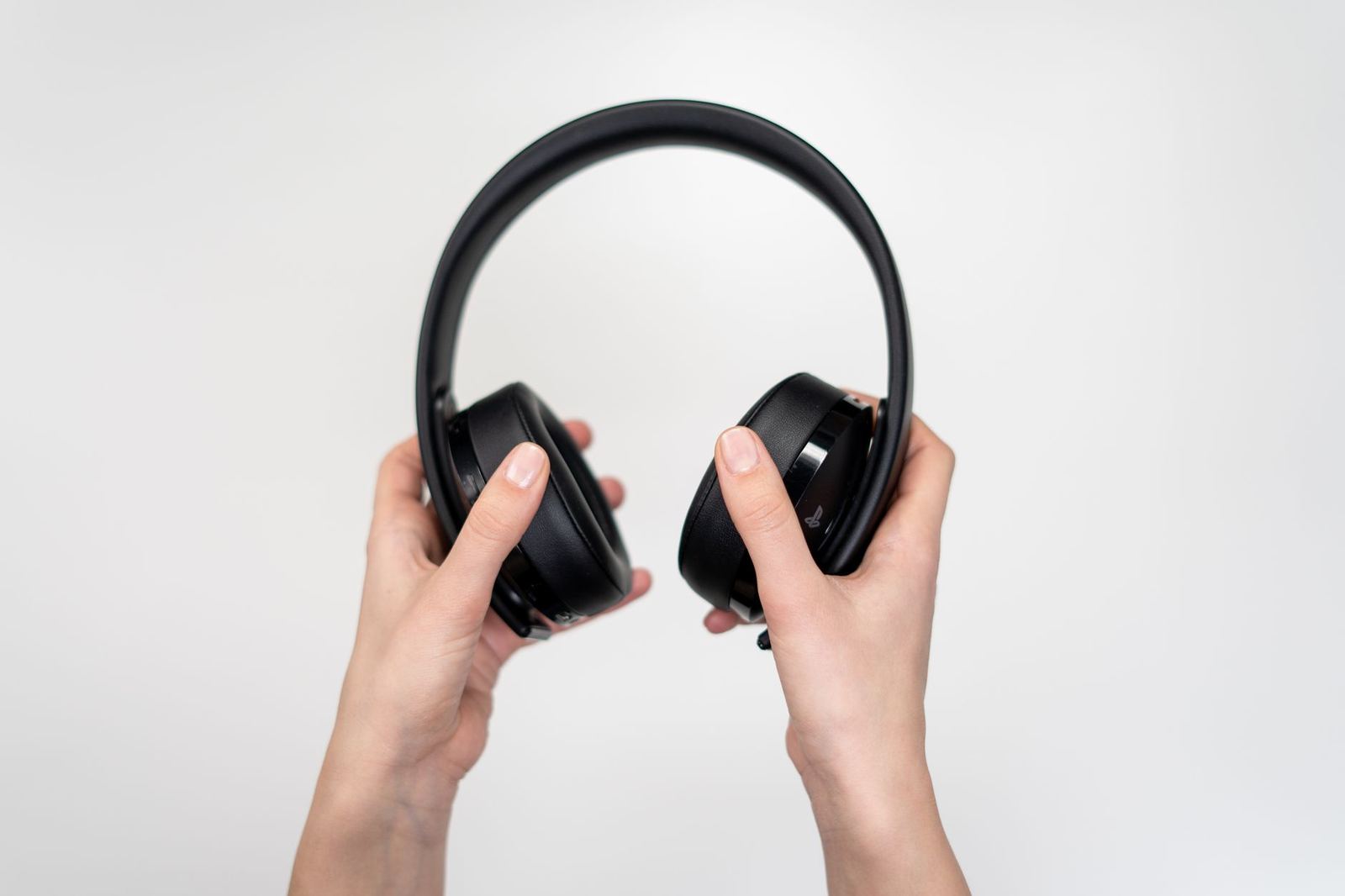
An idea older than the headphone
The concept predates consumer electronics by decades. Wikipedia’s history of the field records that the first patent for a noise control system, U.S. patent 2,043,416, was granted to inventor Paul Lueg in 1936. The text of that patent, available on Google Patents, describes sounds to be silenced being taken in by a receiver and reproduced by a reproducing apparatus in the form of sounds having an opposite phase. It also describes the arrangement in hardware terms: the microphone is connected over an amplifier with a reproducing apparatus, which it calls a loudspeaker.
That is the same chain still used today, only now implemented in tiny chips. A microphone senses, an amplifier and processor shape the signal, and a speaker plays the counter-wave.
The headphone application arrived later. According to the same encyclopedia entry, in 1957 Willard Meeker developed a working model of active noise control applied to a circumaural earmuff. That headset had an active attenuation bandwidth of approximately 50–500 Hz, with a maximum attenuation of approximately 20 dB. By the late 1980s, the first commercially available active noise reduction headsets appeared, per the same entry.
Microphones, processors and speakers: the signal chain
Modern active noise control is generally achieved through the use of analog circuits or digital signal processing, according to Wikipedia. In a modern headphone or earbud, a small processor receives the microphone signal, works out what the cancelling wave should look like, and sends it to the same driver that plays music. Music and the cancelling signal are mixed, so the listener hears the music with less of the surrounding noise on top of it.
Adaptive algorithms are part of this design. The encyclopedia entry says they analyse the waveform of the background noise and then generate a signal that will either phase shift or invert the polarity of the original signal. Because the cancelling signal has to reach the ear at the right moment, timing is the hard engineering problem: the processor has very little time to react before the real noise arrives.
Feedforward, feedback and hybrid designs
Where the microphones sit defines the design. Wikipedia’s article on noise-cancelling headphones explains that feedforward systems place microphones on the outside of the earcups to monitor environmental noise before it reaches the ear, while feedback systems place microphones inside the earcup to analyze sound reaching the listener.
- Feedforward: the outside microphone hears the noise first, so the processor has a head start to build the opposing wave.
- Feedback: the inside microphone hears what actually reaches the ear, so it can correct errors, including those caused by fit.
- Hybrid: the same article says hybrid systems combine both methods to improve cancellation performance across a wider range of frequencies.
Manufacturers describe their own versions of this. Apple’s product page for its AirPods Pro earbuds, for example, mentions an inward-facing microphone that points directly into the ear canal, which is the feedback-style sensor in this vocabulary. The same page describes an upgraded acoustic seal, and says a foam-infused ear tip layer increases noise cancellation, which points to a theme covered below: fit and seal.
For a shopper, the practical point is that the labels feedforward, feedback and hybrid describe where the microphones sit, and the maker’s own specification page is the place to see which layout a given product uses.
Why low-pitched noise is the easy target
Wikipedia’s active noise control entry states that active noise canceling is best suited for low frequencies, and that for higher frequencies the spacing requirements become prohibitive. It adds that passive treatments become more effective at higher frequencies.
The reason is geometry. A low-pitched wave is long and changes slowly, so a small timing error between the noise and the counter-wave barely matters. A high-pitched wave changes quickly, so the same error pushes the cancelling signal out of step, and in the worst case it adds to the noise instead of reducing it.
That is why the common description of the technology matches what listeners notice. The noise-cancelling headphones article says it is generally most effective at reducing constant low-frequency sounds such as aircraft engines, air conditioning systems, road noise, and train rumble. It also says sudden or irregular sounds, including speech, alarms, or nearby conversations, are more difficult to eliminate.
Passive isolation still does half the work
Active cancelling is paired with physical blocking. The same article draws the line this way: passive isolation blocks sound through earcup padding or in-ear seals, while active noise cancellation uses microphones, amplifiers, and digital signal processing. Because the two methods cover different parts of the sound spectrum, the strongest results come from a design that does both.
This is also why fit matters so much. An earbud tip that leaks, or an ear cup that does not seal against the head, lets high-pitched sound straight in, and it can also upset the low-frequency cancelling that the inside microphone relies on. Apple’s page ties a design change, new ear tips, directly to its noise cancellation claim, which is one example of how makers treat the seal as part of the system.
Transparency modes and trade-offs
The same microphones that listen for noise can be used to let sound through. Apple’s page says its earbuds combine Active Noise Cancellation with Transparency, a mode that passes the surroundings into the ears.
The costs of the technology are modest but real. Wikipedia’s noise-cancelling headphones article notes that the active noise control requires power, usually supplied by a USB port or a battery, and that without power some models do not function as regular headphones. Extra electronics can also add size and weight.
Wireless models raise another question, since audio often arrives over Bluetooth. How the audio is compressed is a separate topic from cancelling noise, and the page on bluetooth codecs covers the formats that carry music to a pair of earbuds.
Noise cancelling and hearing health
One practical benefit is that a quieter background lets listeners keep volume lower. The U.S. National Institute on Deafness and Other Communication Disorders explains that sounds at or below 70 A-weighted decibels (dBA), even after long exposure, are unlikely to cause hearing loss, while long or repeated exposure to sounds at or above 85 dBA can cause hearing loss. It adds that the louder the sound, the shorter the amount of time it takes for noise-induced hearing loss to happen. Anyone with specific hearing concerns should follow the guidance of the manufacturer and a hearing professional.
Noise cancellation also has a place in other audio gear. Microphones use related ideas to reject unwanted sound, and the comparison of usb vs xlr microphone setups touches on how capture devices handle their surroundings.
Frequently asked questions
Does noise cancelling remove all sound?
Show answer
No. According to Wikipedia’s noise-cancelling headphones article, the technology is most effective on constant low-frequency sounds, and sudden or irregular sounds such as speech are more difficult to eliminate.
Do noise-cancelling headphones need a battery?
Show answer
Yes, in general. The active noise control requires power, usually supplied by a USB port or a battery, per the same article, and some models do not function as regular headphones without it.
What is the difference between feedforward and feedback ANC?
Show answer
Feedforward systems use microphones on the outside of the earcups, while feedback systems use microphones inside the earcup. Hybrid systems combine both methods.
Is active noise cancelling a new technology?
Show answer
No. The first patent for a noise control system was granted to Paul Lueg in 1936, and the first commercially available active noise reduction headsets appeared by the late 1980s.