The condenser vs dynamic microphone question comes down to how each one turns sound into an electrical signal. A dynamic microphone uses a coil and magnet and needs no power, while a condenser uses a charged capacitor and does.
Both types appear across the wider range of audio kit covered in the gadget buying guide, and the differences below explain why they behave so differently in practice.
How a dynamic microphone works
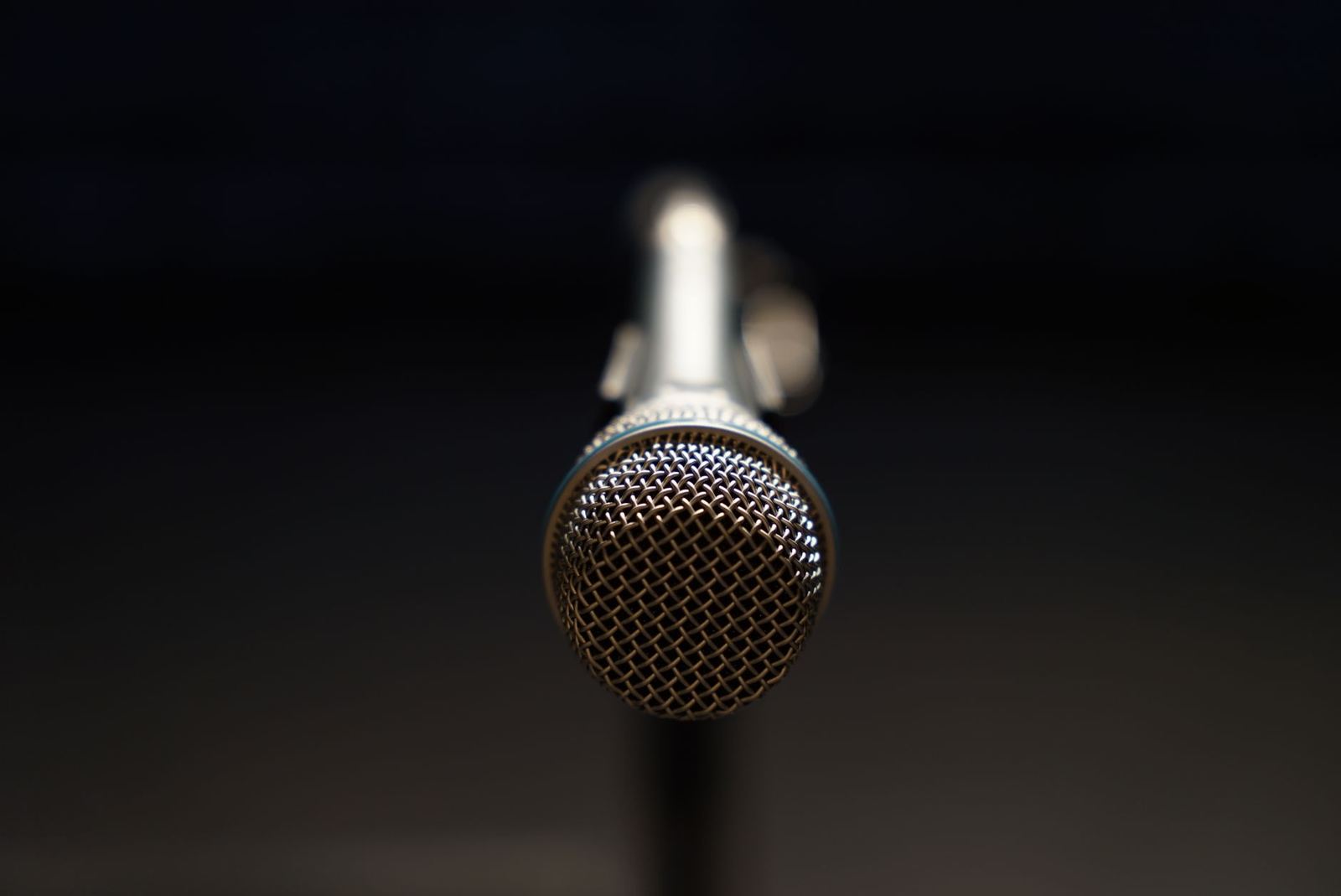
A dynamic microphone generates its signal with electromagnetism. As MediaCollege’s explainer on dynamic microphones puts it, the dynamic microphone uses a wire coil and magnet to create the audio signal. The diaphragm is attached to the coil, so when sound waves make the diaphragm vibrate, the coil moves back and forth past the magnet and a small current flows in the wire.
That arrangement is essentially a loudspeaker working in reverse, and it has few parts that need to be charged, biased or powered. The same source describes a simple design with few moving parts, and notes that dynamics are relatively sturdy and resilient to rough handling. Shure’s SM58 vocal microphone is a widely known example: its product page lists the element as cardioid (unidirectional) dynamic and describes it as designed for professional vocal use in live performance, sound reinforcement, and studio recording.
Because the signal comes from a moving coil, a dynamic microphone does not contain active electronics that must be fed from the outside. According to MediaCollege, dynamics have no internal amplifier and do not require batteries or external power. A dynamic microphone can therefore be plugged into an input that supplies no power at all and still work.
How a condenser microphone works
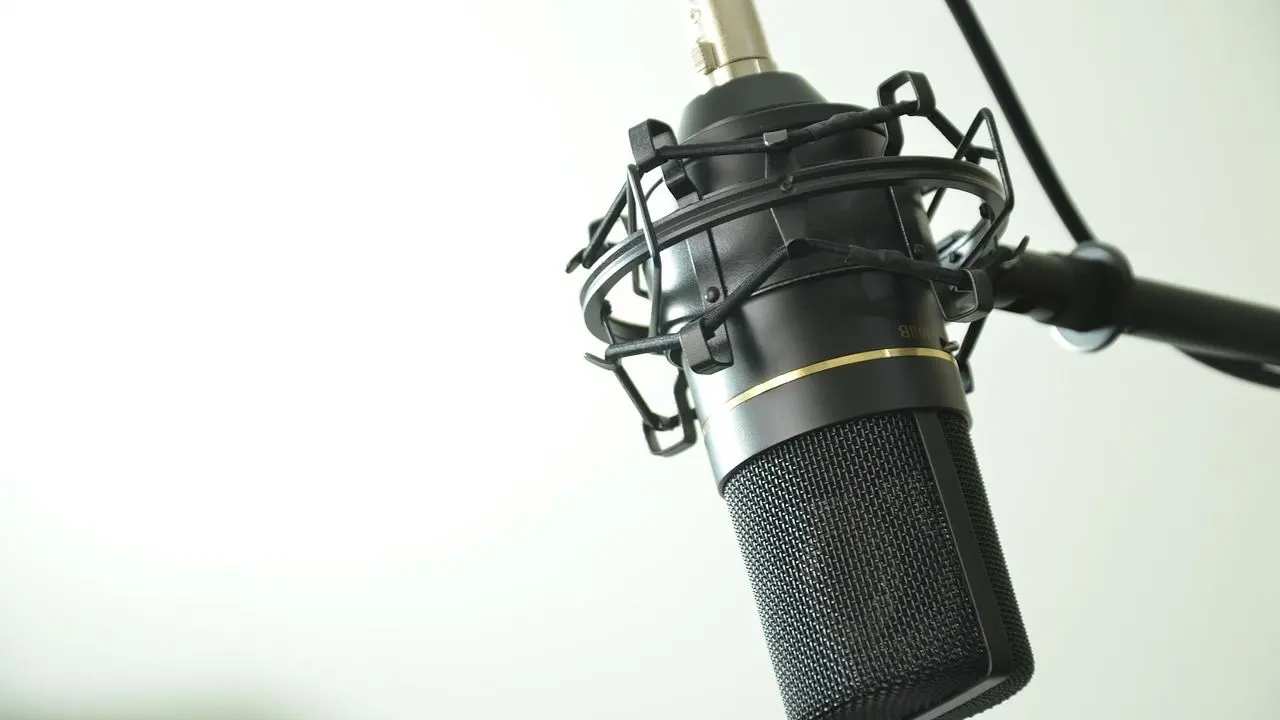
A condenser microphone works by changing the spacing between two plates of a capacitor. MediaCollege’s page on condenser microphones explains that the word condenser means capacitor, and that in the condenser microphone one of the two plates is made of very light material and acts as the diaphragm.
When sound waves strike the diaphragm, it vibrates and changes the distance between the two plates, which in turn changes the capacitance. That variation is turned into the audio signal.
The trade-off is that the capacitor needs a charge, and the electronics around it need power. MediaCollege states that condenser microphones require power from a battery or external source. In a studio, that external source is normally the mixer or audio interface, which sends the power down the microphone cable.
Phantom power and what it means for your setup
Phantom power is the usual way a condenser gets its electricity. Shure defines it as a term given to the process of delivering DC (direct current) to microphones requiring electric power to drive active circuitry, and says that condenser microphones such as its KSM range all have active circuitry and require phantom power.
On Shure’s phantom power explainer, the worldwide standard for phantom power is given as 11 to 52 volts of DC, and typical studio mics run on 48v. The explainer adds that a preamp will typically have a button labelled 48v for switching it on and off. Some older mixers and cheaper audio interfaces may not have phantom power at all; in that case Shure says an external phantom power supply can be added between the condenser microphone and the preamp.
A practical consequence follows from this. If a mixer or interface has no phantom power and nothing else supplies it, a condenser microphone designed for it will not work as intended, whereas a dynamic microphone will. Condensers that run from a battery or another source are the alternative, which is why the power question belongs at the start of any microphone decision.
Can phantom power damage a dynamic microphone?
In most cases it will not, though the safest approach is to check the maker’s guidance. Shure’s explainer says a dynamic microphone, like the SM58, does not require phantom power because it does not have active electronics inside. It also says applying phantom power will not damage other microphones in the vast majority of cases, because modern dynamic microphones are designed to accept it.
The same page then advises checking your manual or consulting with the manufacturer first before connecting. That caution is worth following for any unusual or older microphone, since the rule that dynamics tolerate phantom power is a general one rather than a guarantee for every model.
Loud sources, rough handling and sensitivity
The two designs also differ in how they cope with volume and abuse. MediaCollege says dynamics are better suited to handling high volume levels, such as from certain musical instruments or amplifiers, and that condensers also tend to be more sensitive and responsive than dynamics, making them well-suited to capturing subtle nuances in a sound.
The flip side of that sensitivity is spelled out in the same source: condensers are not ideal for high-volume work, as their sensitivity makes them prone to distort. This is why dynamics are common on stages, while condensers are associated with quieter, detailed recording work.
Build quality follows the same pattern. Shure describes the SM58 as having a pneumatic shock-mount system that cuts down handling noise, and lists its frequency response as 50 to 15,000 Hz. Its SM7B product page lists rugged construction and excellent cartridge protection for outstanding reliability, and describes the SM7B dynamic microphone as having a smooth, flat, wide-range frequency response appropriate for music and speech in all professional audio applications. MediaCollege adds that dynamics do not usually have the same flat frequency response as condensers, and instead tend to have tailored frequency responses for particular applications.
Choosing between them for common jobs
Which one fits depends on the room, the source and the equipment on hand. A few rules follow from the facts above rather than from any ranking.
- No phantom power available: a dynamic microphone works without it, while a condenser needs a battery or external source.
- Loud sources or rough use: dynamics are described as sturdy and better suited to high volume levels.
- Quiet, detailed sources: condensers are described as more sensitive and responsive, which suits capturing subtle nuances.
- Unknown or older gear: check the manual before applying phantom power to any microphone.
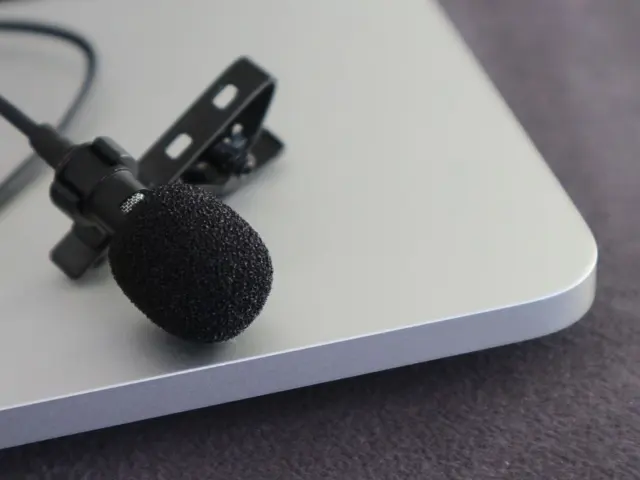
Connection type is a separate decision from capsule type. A dynamic or a condenser can be built with a USB or an XLR output, and the trade-offs of each connection are covered in the comparison of usb vs xlr microphone setups. For clip-on use with phones and cameras, where size and wireless operation matter more, see the overview of the wireless lavalier microphone category.
Frequently asked questions
Is a dynamic or a condenser microphone better for beginners?
Show answer
Neither is better in every case. A dynamic microphone needs no external power, so it is simpler to connect, while a condenser needs a battery or phantom power from the mixer or interface.
Do condenser microphones always need phantom power?
Show answer
No. Condensers require power from a battery or external source, and phantom power is the most common external source. Shure notes that the power can also be provided by a battery located inside of the mic.
Will phantom power break my dynamic microphone?
Show answer
In the vast majority of cases it will not, according to Shure, since modern dynamic microphones are designed to accept it. Shure still advises checking the manual or asking the manufacturer first.
Why are dynamic microphones common on stage?
Show answer
They are described as sturdy, resilient to rough handling and better suited to high volume levels, which matches live use.