Power bank airline rules in the United States come down to one main point: spare lithium batteries, including power banks, travel in carry-on baggage and never in checked bags, within a 100 Wh per-battery size limit.
This page is an independent explainer that summarises what regulators publish. It is a companion to the wider gadget buying guide, and it is not affiliated with any airline, regulator or battery maker.
Why airlines treat power banks as a special case
A power bank is a spare lithium-ion battery with a charging circuit attached. The US Federal Aviation Administration (FAA) explains that all lithium ion batteries are capable of overheating and undergoing a process called thermal runaway, and that thermal runaway can occur without warning. Causes it lists include damage, overheating, exposure to water, overcharging and improper packing.
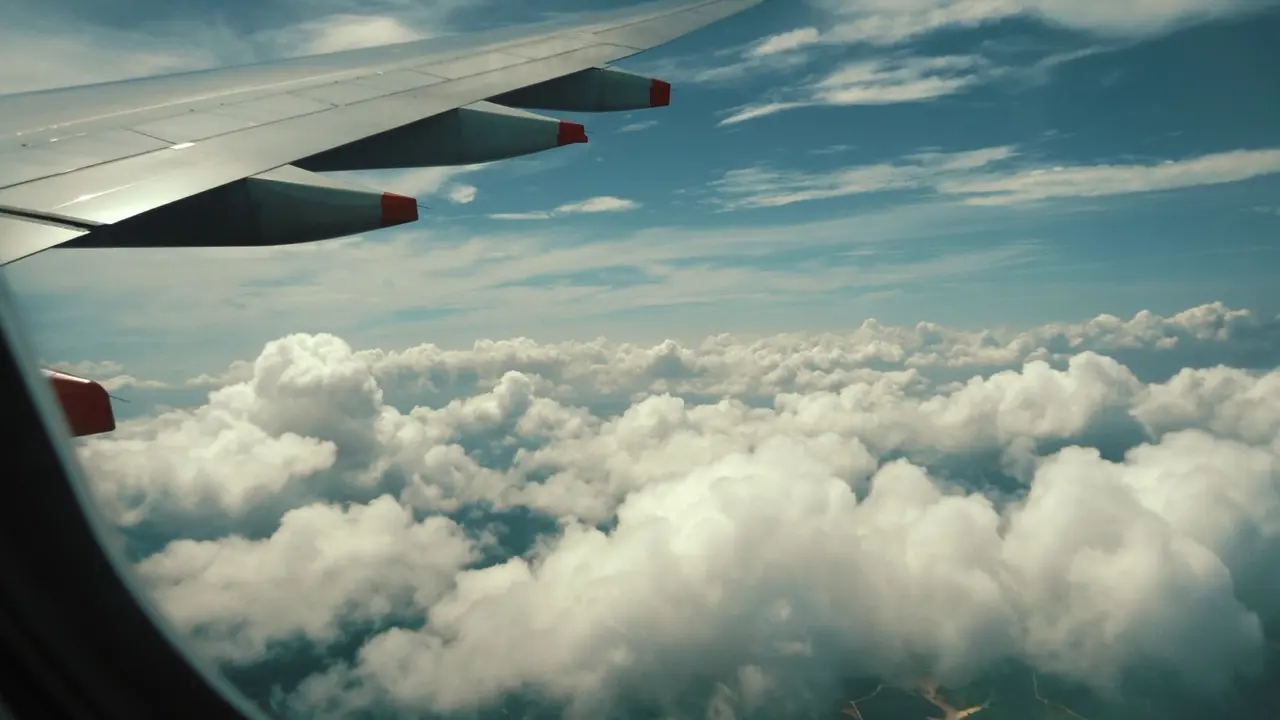
That is the reason the rules look different from those for a laptop or phone sitting in a bag. A battery in a cabin can be reached by the crew and passengers if it overheats. The FAA states that the crew is trained to respond to lithium battery fires in the cabin, which is why the rules keep spare batteries in the cabin rather than in the hold.
The same FAA page asks passengers to notify flight crew immediately if a lithium battery or device is overheating, expanding, smoking or burning.
Carry-on or checked bag
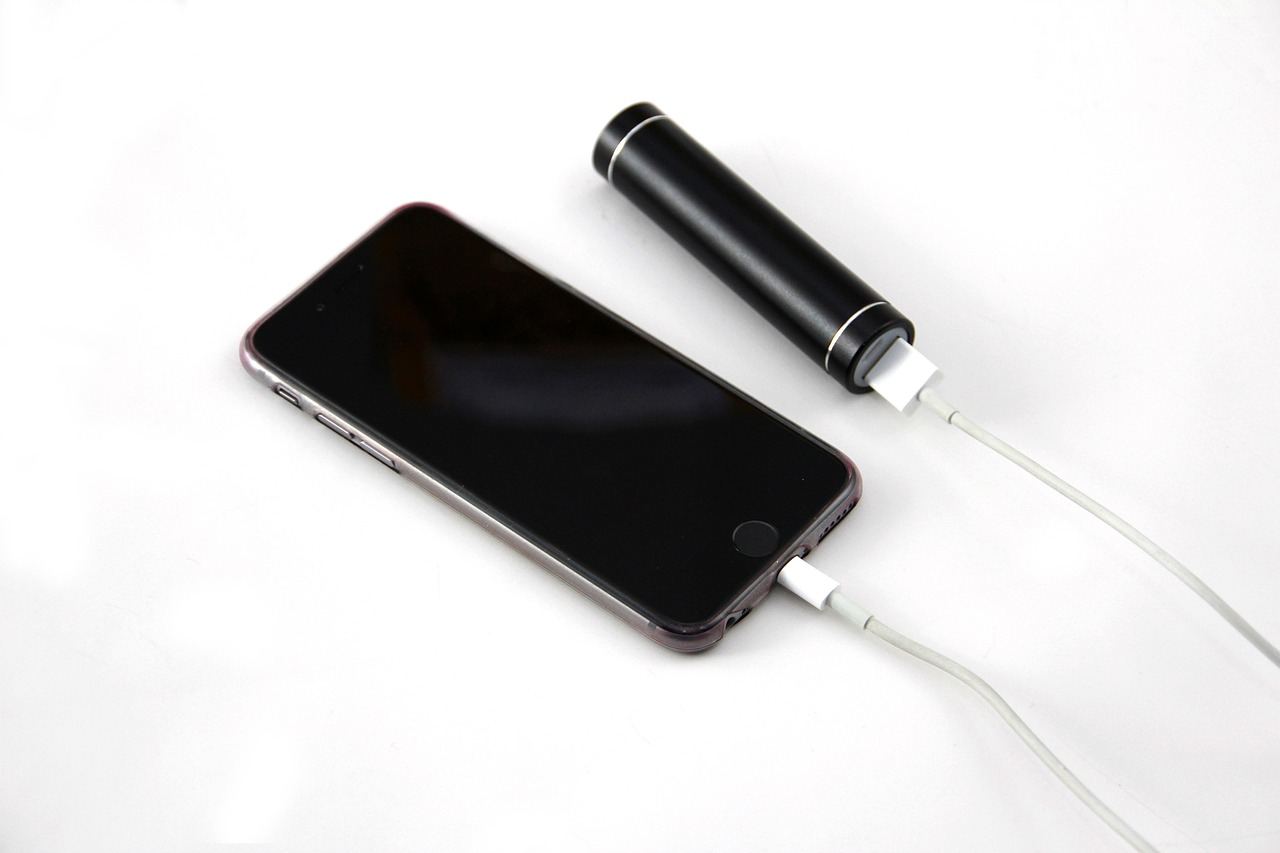
The FAA rule is direct: spare lithium ion and lithium metal batteries, including power banks and cell phone battery charging cases, must be carried in carry-on baggage only. The agency says the rule also covers external battery chargers, also called portable rechargers, that contain a lithium ion battery, as set out on its PackSafe lithium batteries page.
The US Transportation Security Administration (TSA) lists the same outcome for travellers at the checkpoint. Its power bank entry shows Carry On Bags: Yes and Checked Bags: No, and says that spare lithium batteries, which include both power banks and phone chargers, are prohibited in checked luggage. The TSA also notes that the final decision rests with the TSA officer on whether an item goes through the checkpoint.
Europe takes the same approach. The European Union Aviation Safety Agency (EASA) says that portable electronic devices such as cameras, laptops and phones belong in your hand baggage (carry-on), and not in your checked baggage.
The 100 Wh limit and larger batteries
The FAA sets size limits by battery chemistry. Lithium metal (non-rechargeable) batteries are limited to 2 grams of lithium content per battery, and lithium ion (rechargeable) batteries are limited to a rating of 100 watt hours (Wh) per battery. Power banks use lithium ion cells, so the Wh figure is the one that matters for them. The FAA says these limits allow for nearly all types of lithium batteries used by the average person in their electronic devices.
| Lithium ion battery rating | FAA position for passengers |
|---|---|
| 100 Wh or less | Within the standard per-battery limit, in carry-on only |
| 101 to 160 Wh | Needs airline approval, with a maximum of two spares per person |
Figures in this table come from the FAA’s PackSafe guidance on lithium batteries.
The FAA adds that with airline approval, passengers may carry up to two spare larger lithium ion batteries in the 101 to 160 Wh range, and that the limit of two spares per person applies to those larger batteries. Quantity limits are listed as none for most batteries, but the batteries must be for the passenger’s own use, since batteries carried for sale or distribution are prohibited.
Reading the Wh rating on a power bank
When only Ah is printed, the FAA gives the method: multiply the battery voltage by the Amp hours to find the Wh rating. Capacity in mAh alone does not give the Wh figure without the voltage. The guide to power bank capacity explains why labelled and usable capacity differ.
A practical point follows from this: the Wh rating is the figure an airline or security officer will look for, so a legible label on the casing matters more than the marketing claim on the packaging.
Packing, gate checks and damaged batteries
The FAA says batteries must be protected from damage and that their terminals must be protected from short circuit. Its listed methods include leaving batteries in their retail packaging, covering the terminals with tape, using a battery case, using a battery sleeve in a camera bag, or putting them snugly in a plastic bag or protective pouch. The agency repeats this in its baggage summary, adding that these items should remain accessible even in carry-on baggage.
When an airline checks a carry-on bag at the gate or at planeside, all spare lithium batteries and power banks must be removed from the bag and kept with the passenger in the aircraft cabin. Anyone with a power bank inside a small wheeled case should plan for that handover.
Damaged or recalled batteries are treated separately. According to the FAA, damaged or recalled batteries and battery-powered devices that are likely to create sparks or generate a dangerous evolution of heat must not be carried aboard an aircraft, in carry-on or checked baggage, unless the damaged or recalled battery has been removed or otherwise made safe.
Airline policies can be stricter
Because the rules are written by aviation authorities and then applied by each carrier, two airlines on the same route can ask for different things at the gate. A traveller who carries a power bank that clearly shows its Wh rating, keeps it in a pouch with the terminals covered and has it within reach in the cabin is following the pattern the regulators describe.
Regulators set a floor, and carriers may go further. EASA likewise says it is very important to read the dangerous goods information provided by your airline before your flight.
This page does not list individual airline rules, which change and differ by country and by route. Anyone flying should check the airline’s own dangerous goods page and follow the instructions of the crew and security staff. Other accessories that travel in the same bag, such as wireless headphones, are not covered by these battery limits, although the bluetooth codecs guide explains how those devices connect.
Frequently asked questions
Can a power bank go in checked luggage?
Show answer
No. Both the FAA and the TSA say spare lithium batteries, including power banks, are for carry-on baggage only.
What happens if my carry-on is checked at the gate?
Show answer
The FAA says spare lithium batteries and power banks must be taken out of the bag and kept with the passenger in the cabin.
Is there a limit on how many power banks I can carry?
Show answer
The FAA lists no quantity limit for most batteries, provided they are for the passenger’s own use, but airlines may set stricter limits, so the carrier’s own rules apply.
How do I work out Wh from the label?
Show answer
The FAA says to multiply the battery voltage by the Amp hours. The FAA notes that newer lithium ion batteries have the Wh rating marked on them.