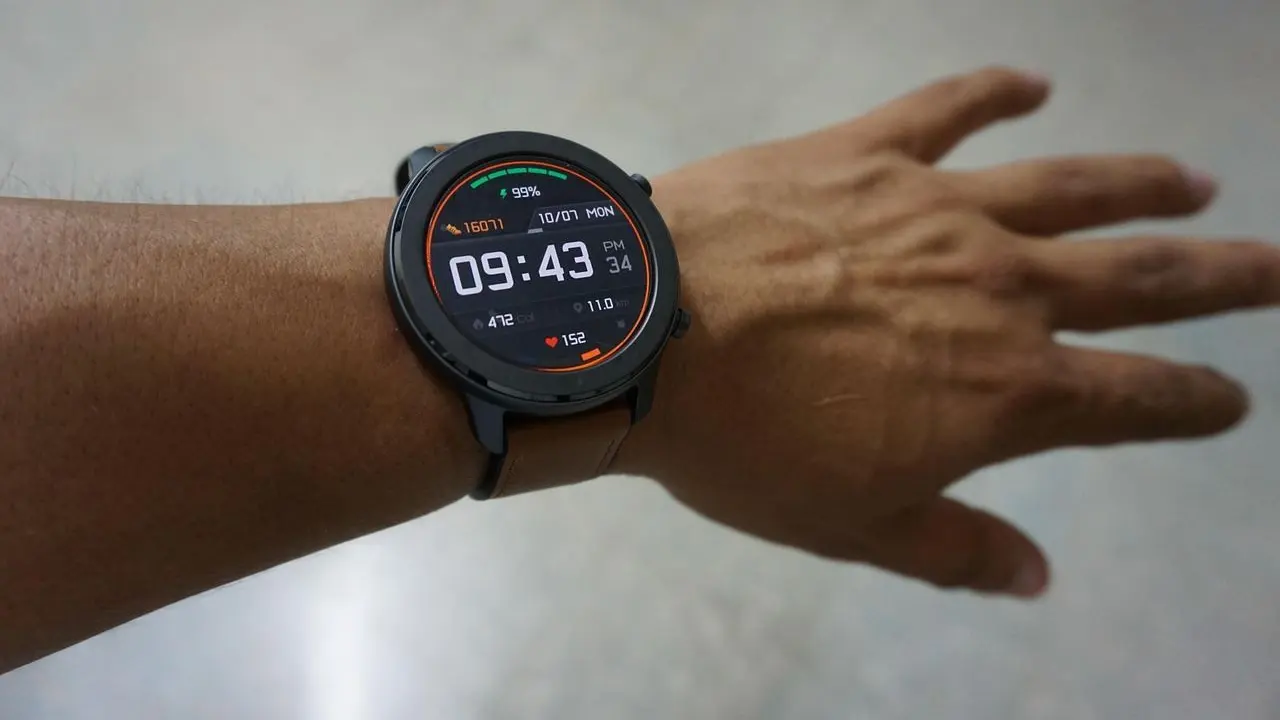
Smartwatch sensors are small components that turn light, electrical signals and motion on the wrist into numbers such as heart rate, rhythm and steps. Each sensor has limits, and manufacturer and regulator documents say what those limits are.
This page is part of the gadget buying guide, which covers how to read specifications across many device types.
Optical heart rate sensors
Apple’s support documentation says its optical heart sensor uses what is known as photoplethysmography, usually shortened to PPG. The principle is simple. Blood absorbs green light, so the sensor shines light into the skin and measures how much returns to a photodiode. When the heart beats, blood flow in the wrist rises and more green light is absorbed; between beats, less is absorbed.
By flashing the lights very rapidly, the watch can count those pulses and turn them into a heart rate. Apple states that its optical sensor supports a range of 30–210 beats per minute, and that it can also use infrared light, which the company says is used during a sleep schedule or when a sleep focus is on.
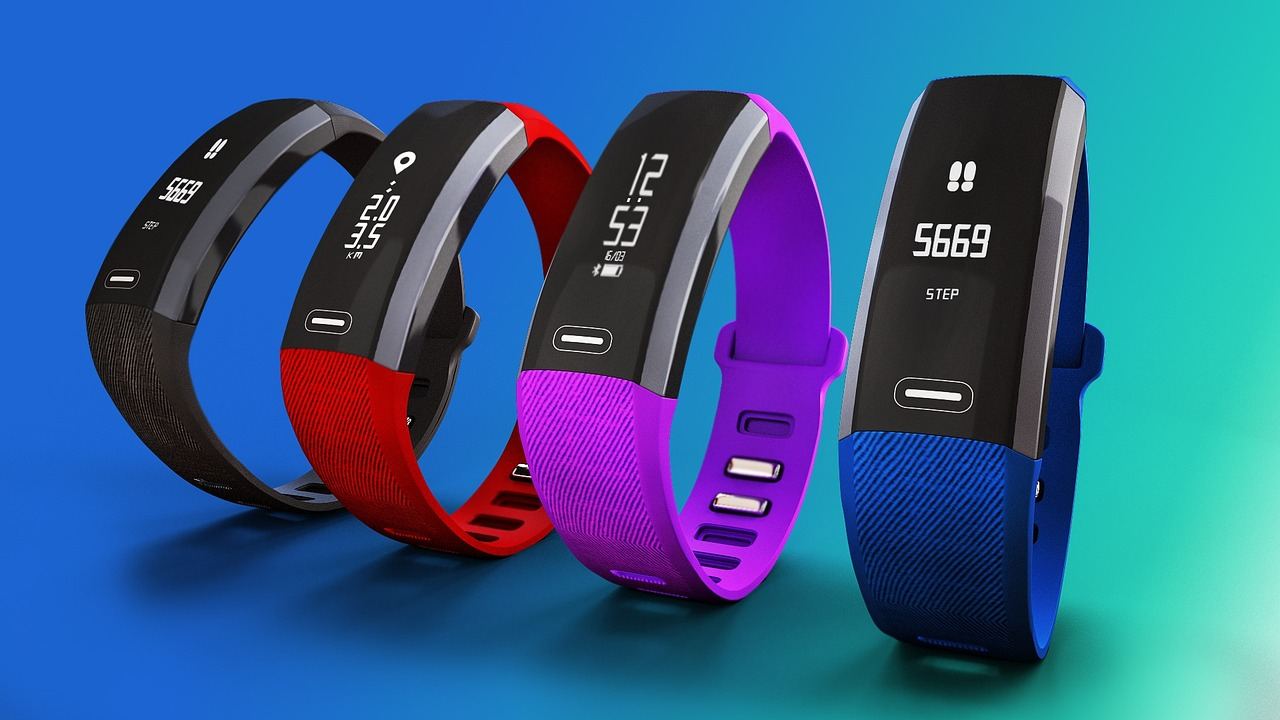
Optical sensing depends on a clean signal from the skin. The same Apple page cautions that, even under ideal conditions, a watch may not get a reliable heart rate reading every time for everybody. Fit, motion and skin conditions all change how much light reaches the photodiode, so occasional odd readings are a known feature of the method rather than a surprise.
Electrical heart sensors and ECG
A second heart sensor type measures electrical activity instead of light. Apple documents that models from Series 4 onward and all Ultra models have built-in electrodes in the Digital Crown and on the back of the case. When the wearer touches the crown with the opposite hand, the electrodes and the skin form a closed circuit across the chest.
An electrocardiogram records the timing and strength of the electrical signals that make the heart beat. In Apple’s description, the watch’s ECG recording takes 30 seconds and is then checked for atrial fibrillation, a form of irregular rhythm. The same page states that the app is not intended for people under 22 years old and that availability depends on the country or region.
The wording of results matters. Apple notes that a sinus rhythm result applies only to that particular recording, and that it does not mean the heart beats with a consistent pattern all the time or that the person is healthy. A wrist ECG is a screening feature for one specific rhythm, not a general heart check.
- Optical heart sensors use photoplethysmography: photoplethysmography
- Green LEDs and photodiodes detect blood flow: green LED lights paired with photodiodes
- Infrared LEDs are used during sleep: infrared
- Electrodes in crown and back measure electrical signals: electrodes
- Readings can be unreliable for some people: not every time for everybody
Blood oxygen sensing and its limits
Blood oxygen estimates use the same family of optical technology as heart rate, but with light that is absorbed differently by oxygen-rich and oxygen-poor blood. The US Food and Drug Administration explains that a pulse oximeter is usually clipped on a fingertip and uses light beams to estimate blood oxygen level and pulse rate. The agency adds that oxygen saturation values are between 95% and 100% for most healthy individuals.
The FDA also lists reasons a reading can be wrong: poor circulation, skin pigmentation, skin thickness, skin temperature, current tobacco use and fingernail polish. It separates devices that are cleared for medical purposes from products sold as general wellness or sporting products, and says the latter are not reviewed or evaluated by the agency before they reach the public. A wrist reading from a wellness device is therefore an estimate, and the FDA says readings should be considered in context with symptoms rather than on their own.
Anyone with a health concern should speak to a health care provider rather than rely on a watch to decide whether care is needed.
Motion sensors and fall detection
Step counts, workout types, sleep movement and fall alerts all start with an accelerometer, a sensor that measures changes in speed. Software interprets the stream of acceleration values to decide whether the wrist is walking, swinging in a workout or lying still.
Apple’s comparison page lists a high-g accelerometer with up to 256 g-forces on models that offer fall detection and crash detection, while some other models carry lower-range accelerometers. Those ranges show why a sensor in a fitness band may suit step counting but not detect a hard impact the same way.
In its fall detection documentation, Apple explains the sequence after a hard fall: if the watch detects the wearer is immobile for about a minute, it begins a 30-second countdown with taps and an alert, then can call emergency services automatically. Fall detection of this kind is a software judgement on motion data, so it can miss events or trigger when nothing has happened.
How the sensors connect to everyday gadgets
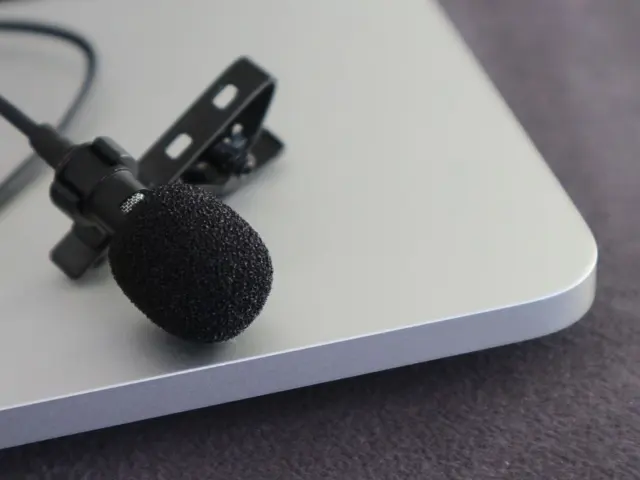
A wireless lavalier microphone also relies on a tiny sensing element, in that case to turn sound into an electrical signal, and the comparison shows how much of consumer electronics is built on miniature transducers.
Wearable screens are another trade-off between power and visibility. The reasons some low-power displays last so long on a charge are covered in how e-ink works, which is useful background for anyone comparing battery claims between wearables.
Why sensor placement and fit matter
Every sensor above needs good contact with the skin or a stable position on the wrist. A single odd number is therefore weak evidence on its own, and trends over time say more than one reading.
The practical lesson is that sensor hardware is not the whole story. The algorithm that cleans the signal, rejects motion noise and decides what counts as an event does much of the work, and manufacturers rarely publish those details. When comparing devices, it helps to treat sensor lists as a description of what could be measured, and treat the support pages as the description of what the maker claims the watch is designed to do.
Reading specifications sensibly
A spec sheet that says a watch has an optical heart sensor, an electrical heart sensor or a blood oxygen feature does not say how accurate each one is. The more useful questions are the ones the documents above raise. Is the feature a screening tool for a named condition, or a general wellness estimate? Is it available in the reader’s country or region? Does the manufacturer publish what it is designed to detect and what it is not?
Because sensor claims differ by brand and by model year, the manufacturer’s own support pages are the best place to confirm what a given watch measures. Regulators such as the FDA publish consumer guidance on the general limits of the technology, and that guidance applies whatever name is on the case.
Frequently asked questions
What is the green light on the back of a smartwatch?
Show answer
It is the light source of an optical heart sensor. The watch shines light into the wrist and measures how much blood absorbs, which changes with each heartbeat.
Is a watch ECG the same as a hospital ECG?
Show answer
No. Apple describes its ECG app as recording a single 30-second rhythm and checking it for atrial fibrillation, and says a normal result does not mean the person is healthy. Medical questions belong with a doctor.
Why can blood oxygen readings be wrong?
Show answer
The FDA lists poor circulation, skin pigmentation, skin thickness, skin temperature, tobacco use and nail polish among the factors that can affect pulse oximeter accuracy.
Do all smartwatches have the same sensors?
Show answer
No. Sensor sets vary by brand and model, and manufacturers publish their own lists, so the product’s support page is the reliable reference.