An unlocked vs carrier phone comparison starts with one fact: a carrier phone contains software that ties it to one provider’s network, while an unlocked phone can be used with any compatible network and plan.
The choice is one part of the wider decision laid out in how to choose a smartphone, and it affects price, switching freedom and what happens when a plan ends.
What locked and unlocked mean
The US Federal Communications Commission explains in its cell phone unlocking guide that many phones sold in the United States contain software that prevents them from being used on different mobile networks, even when those networks are technologically compatible. That software “locks” the phone to a provider’s network. The FCC adds that locking can apply to both physical SIM cards and electronic SIMs, or eSIMs.
Unlocking, in the FCC’s wording, refers only to disabling the software that would prevent a consumer from attempting to activate a phone designed for one wireless provider’s network on another wireless provider’s network. It does not change the radios inside the phone. The FCC points out that phone companies typically use different frequencies and air interface technologies, so not every phone is technologically compatible on every network, and unlocking a phone may not make it compatible with another provider’s network.
Why carriers lock phones
According to the FCC, locked phones are often sold at a reduced price or as part of an installment plan. They remain locked until all the installments are paid, or for a certain period of time to ensure the phone is used on the network of the provider that sold the phone at a discount. That is the trade at the centre of the comparison: a carrier phone can cost less at the counter in return for a commitment to the carrier.
The same guide notes that even a phone bought at full price may be locked for a short period, such as 60 days, to help prevent theft and certain types of fraud. A lock is therefore not always a sign of a subsidy.
Postpaid and prepaid plans
The FCC says providers may have different unlocking policies for their prepaid and postpaid plans. Postpaid plans are billed at the end of the month after service has been provided, often require a credit check, and may include a contract and an early termination fee. They often include shorter waiting periods before a phone can be unlocked.
Prepaid plans require payment upfront, typically do not require a credit check, and often come with a discounted or free phone. The FCC says they may require the phone to stay locked to the provider for a longer period.
The guide also warns that, unless a phone is specifically sold as unlocked at the point of purchase, it is probably locked to a specific network. That can be true whether the phone was bought from a service provider, a retail outlet or through a third party.
The industry’s unlocking commitment
In the United States, the wireless industry group CTIA adopted six standards on mobile wireless device unlocking on February 11, 2014, and incorporated them into its Consumer Code for Wireless Service. Participating providers implemented all of the principles on or before February 11, 2015.
| Standard | What it says |
|---|---|
| Disclosure | Each carrier posts a clear, concise and readily accessible unlocking policy on its website. |
| Postpaid policy | On request, carriers unlock devices for customers in good standing after the postpaid contract, device financing plan or early termination fee has been fulfilled. |
| Prepaid policy | On request, carriers unlock devices no later than one year after initial activation, consistent with reasonable time, payment or usage requirements. |
| Notice | Carriers notify customers when devices become eligible, or unlock them automatically, without an additional fee. |
| Response time | Within two business days of a request, carriers unlock the device, start a request to the manufacturer, or explain why it does not qualify or needs more time. |
| Deployed personnel | Carriers unlock devices for deployed military personnel who are customers in good standing. |
The summary above follows the list published in the FCC’s cell phone unlocking guide, which states that the CTIA standards cover cell phones and tablets.
These are voluntary industry commitments rather than a statute, and the FCC guide states that participants include all nationwide service providers as well as a number of regional ones. Carrier policies and regulators’ rules can change, so the carrier’s own posted policy is the document that applies to a given phone.
Unlocking in practice
Apple’s support page on unlocking an iPhone shows the general pattern. It says an iPhone can be checked in Settings, under General and then About: if “No SIM restrictions” appears next to Carrier Lock, the iPhone is unlocked. Apple says it cannot unlock an iPhone for use with a different carrier, and that only the current carrier can do so. Apple adds that the carrier might take a few days to complete an unlock request, and that customers should contact the carrier to check the status.
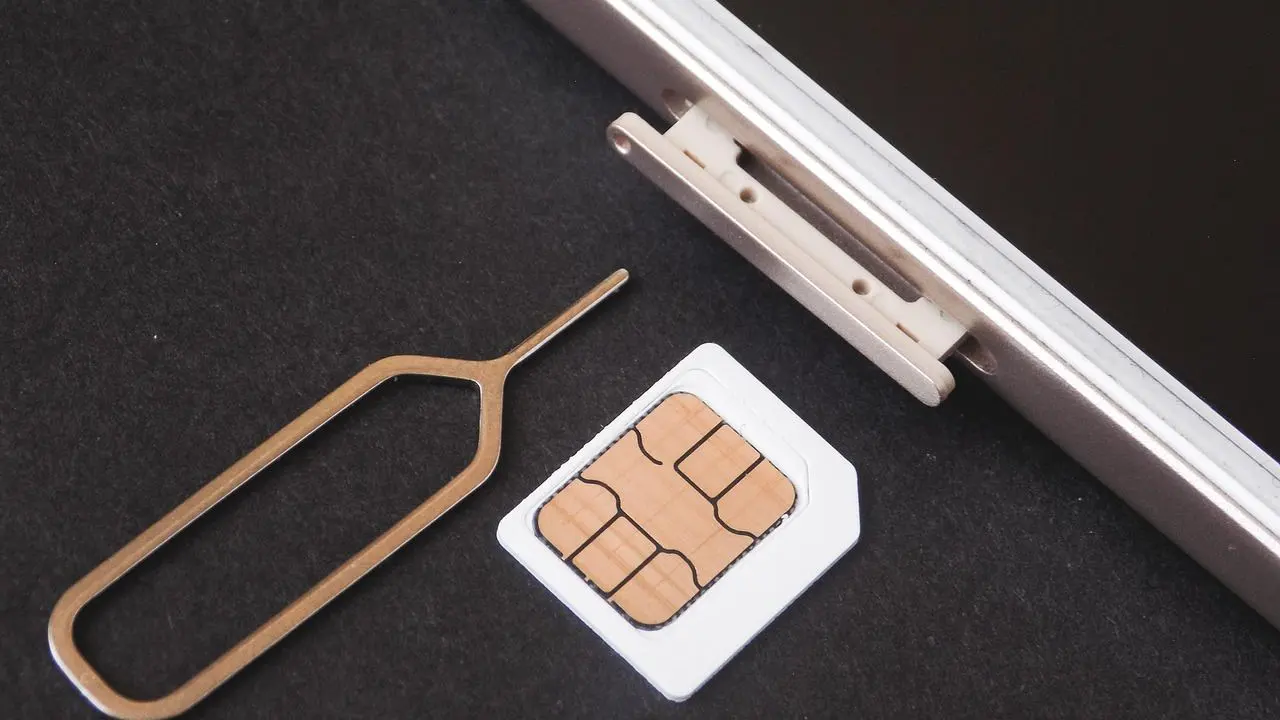
Once the carrier confirms the unlock, Apple’s steps for a customer with a SIM card from another carrier are to remove the SIM card and insert the new one, after which the device will activate. A customer who wants to use an eSIM from a different carrier is pointed to the separate eSIM setup instructions. The practical lesson is that the lock is removed on the carrier’s side, and the phone itself only needs a new SIM or eSIM afterwards.
The FCC describes a similar process across providers: once a phone is eligible, a provider may automatically unlock it, send instructions on how to unlock it on request, or complete the process in-store. If money is owed to the provider or the customer is under a contract, the provider may not unlock the phone until the balance is paid or the contract terms are met.
Buying used or travelling abroad
The FCC advises asking whether a phone is locked or unlocked whenever shopping for a new or used phone. That advice applies to second-hand listings as much as to shop counters, and the page on buying a refurbished phone covers that part of the market in more detail.
For travel, the FCC states that a phone should be checked with the mobile service provider before an international trip, whether it is locked or unlocked, because mobile networks differ from country to country. It adds that if a phone works for voice calls, some other functions, such as mobile data or text messaging, might not work abroad.
Storage and memory are a separate decision from lock status, and the page on phone storage and ram explains how to weigh them.
Frequently asked questions
Does unlocking a phone make it work on every network?
Show answer
No. The FCC says that unlocking a phone designed for one network may not make it technologically compatible with another provider’s network, because networks use different frequencies and technologies.
Can a phone bought at full price be locked?
Show answer
It can be. The FCC gives theft and fraud prevention as the reason a full-price phone may carry a short lock, with 60 days as its example, rather than a discount that has to be recovered.
Who can unlock an iPhone?
Show answer
Only the current carrier, according to Apple. Apple states that it cannot unlock an iPhone for use with a different carrier.
Do eSIM phones avoid carrier locks?
Show answer
No. The FCC states that locking can apply to both physical SIM cards and eSIMs.