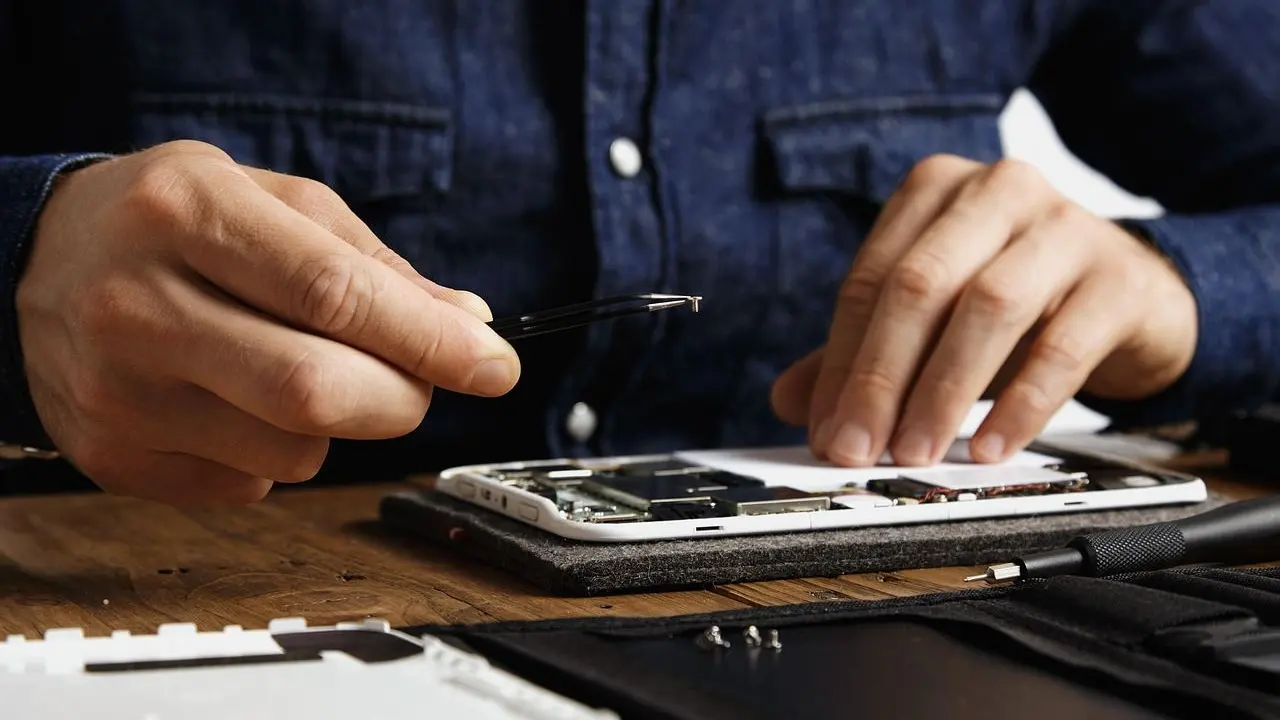
A refurbished phone is a used handset that has been tested, repaired where needed and resold, usually with a warranty. Grade labels, battery condition, lock status and warranty terms decide whether one offer is better value than another.
These checks apply whatever the brand. The how to choose a smartphone guide covers the specs themselves, and this page covers what is specific to buying a handset that has had a previous owner.
What “refurbished” means
The word is not tied to one standard. At one end is a manufacturer programme with a defined process. Apple, for example, states that every Apple Certified Refurbished product completes a rigorous refurbishment process that includes full functional testing, and that the buyer receives a device with genuine Apple replacement parts (as needed) that has been thoroughly cleaned and inspected.
At the other end are independent resellers and marketplace sellers, each of which sets its own process and its own wording. A listing that says “refurbished”, “renewed”, “reconditioned” or “like new” is therefore only as informative as the seller’s written definition behind it. The first useful step is to find that definition and read what was actually done to the phone.
Reading condition grades
Most sellers sort used phones into grades, often described as excellent, good or fair. These labels are set by each seller and describe cosmetic wear such as scratches and dents. They rarely say anything about the battery, which is a separate and more important question for how the phone will feel in daily use.
Before buying, check whether the grade covers only appearance, whether the screen and back glass are included in the description, and whether the seller shows photos of the actual unit rather than a stock image. A lower cosmetic grade at a lower price can be a sensible trade if the phone is fully functional and has a good warranty.
Battery health
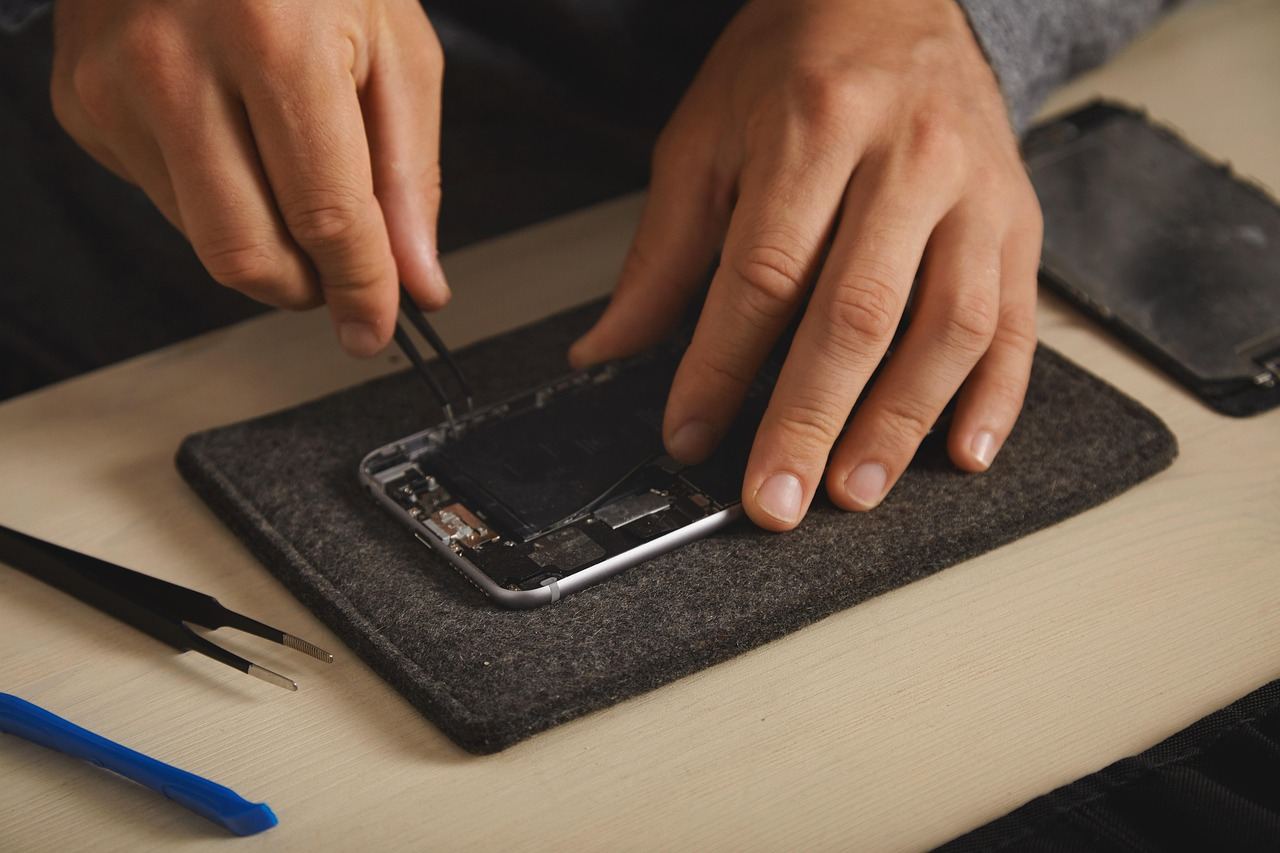
The battery is the part of a used phone that has aged most. Apple notes that all rechargeable batteries are consumables and have a limited lifespan, and defines maximum capacity as a measure that measures the device battery capacity relative to when it was new.
Manufacturers publish design targets that help put a reported percentage in context. Apple states that batteries of iPhone 14 models and earlier are designed to retain 80 percent of their original capacity at 500 complete charge cycles under ideal conditions, while batteries of iPhone 15 models are designed to retain 80 percent of their original capacity at 1000 complete charge cycles. Those figures describe design goals, not guarantees for any one phone.
Two practical points follow. A seller should state the battery’s health or say that the battery was replaced, as in Apple’s refurbished programme, where refurbished iOS devices will come with new battery and outer shell. And if the battery is weak, a replacement is an option: an Apple Authorized Service Provider can replace the battery to restore full performance and capacity, which is a cost to include when comparing offers.
Locks and ownership checks
A refurbished phone should not be tied to the previous owner’s account. On iPhone and iPad, Apple explains that Find My includes Activation Lock, a feature designed to prevent anyone else from using the device if it is lost or stolen, and that your Apple Account password is required before anyone can turn off Find My, erase your device, or reactivate and use your device.
Android has a similar mechanism. Google states that if a protected device got stolen and erased, only someone with the Google Account or screen lock could use it, and that to factory reset a protected device, you’ll need to either unlock your screen or enter your Google Account password. Google’s instructions say that to turn off device protection, remove your Google Account from your device.
The practical rule is to confirm, before paying, that the previous owner’s accounts have been removed and that the phone can be set up as new. Where the seller offers it, in-person checks let a buyer see the phone reach its set-up screen without a lock prompt. Apple also warns that a previously used part from a device protected by Activation Lock is ineligible for service under the Apple Limited Warranty or an AppleCare plan, which is another reason to buy from sellers who describe their parts.
Network and carrier locks
A separate question is whether the phone is locked to a mobile network. A carrier-locked handset works only with that provider until it is unlocked, and the seller should state the status. The differences are covered in detail in unlocked vs carrier phone on this site.
The model number also matters for imports and travel, because network bands and features can vary by region. A listing that names the exact model number lets the buyer compare it with the manufacturer’s specification page.
Warranties and legal rights
A written warranty is the most reliable signal that a seller stands behind its work. Apple states that it backs its programme by including our standard one-year limited warranty with every Apple Certified Refurbished product, with the option to buy additional coverage by purchasing AppleCare products.
Consumer law adds a floor in some places. Under EU rules, you always have the right to a minimum 2-year guarantee from the moment you received the goods, and the Your Europe portal states that second-hand goods that you buy from a professional seller are also covered by the minimum 2-year guarantee. If goods are faulty, the seller must repair or replace them at no cost. Rights elsewhere differ, so buyers outside the EU should check their own national rules.
Return windows matter as well. A seller that allows returns gives the buyer time to test the camera, speakers, charging, cellular signal and biometric sensors before the opportunity to return ends.
What to test on delivery
Testing in the first days is worth the effort, because that is when returns are easiest. A short checklist covers the essentials:
- Power on, set up from scratch and confirm no previous account is requested.
- Check the screen for dead pixels, burn-in and touch response across the whole surface.
- Test the front and rear cameras, the speakers and microphones, and the charging port.
- Insert a SIM card and confirm calls, mobile data and Wi-Fi work.
- Look up the battery health in the settings and compare it with the listing.
Folding designs raise extra questions about hinge wear and inner-screen condition, which are discussed in foldable phones.
Frequently asked questions
Is a refurbished phone the same as a used phone?
Show answer
Not necessarily. A refurbished phone has been tested and, where needed, repaired before resale, while a used phone may be sold as it was. The seller’s written description shows which applies.
Should a refurbished phone have a new battery?
Show answer
Some programmes fit one, and Apple’s refurbished iOS devices come with a new battery. Other sellers only report battery health, so the listing should say which applies.
Does a refurbished phone come with a warranty?
Show answer
Programme-run offers usually include one, such as Apple’s one-year limited warranty. For other sellers, the written terms and local consumer law set what the buyer can claim.
Can a refurbished phone still be locked to the old owner?
Show answer
It should not be. If a lock prompt appears at set-up, the previous owner’s account has not been removed, and the seller should resolve it before the phone is kept.