What is eSIM? It is a digital SIM built into a phone that lets you activate a mobile plan without inserting a physical card. Your carrier supplies the plan electronically, usually through a QR code or an in-app transfer.
It is one of the specs worth checking when you read how to choose a smartphone, because support depends on both the phone and the carrier.
What an eSIM is
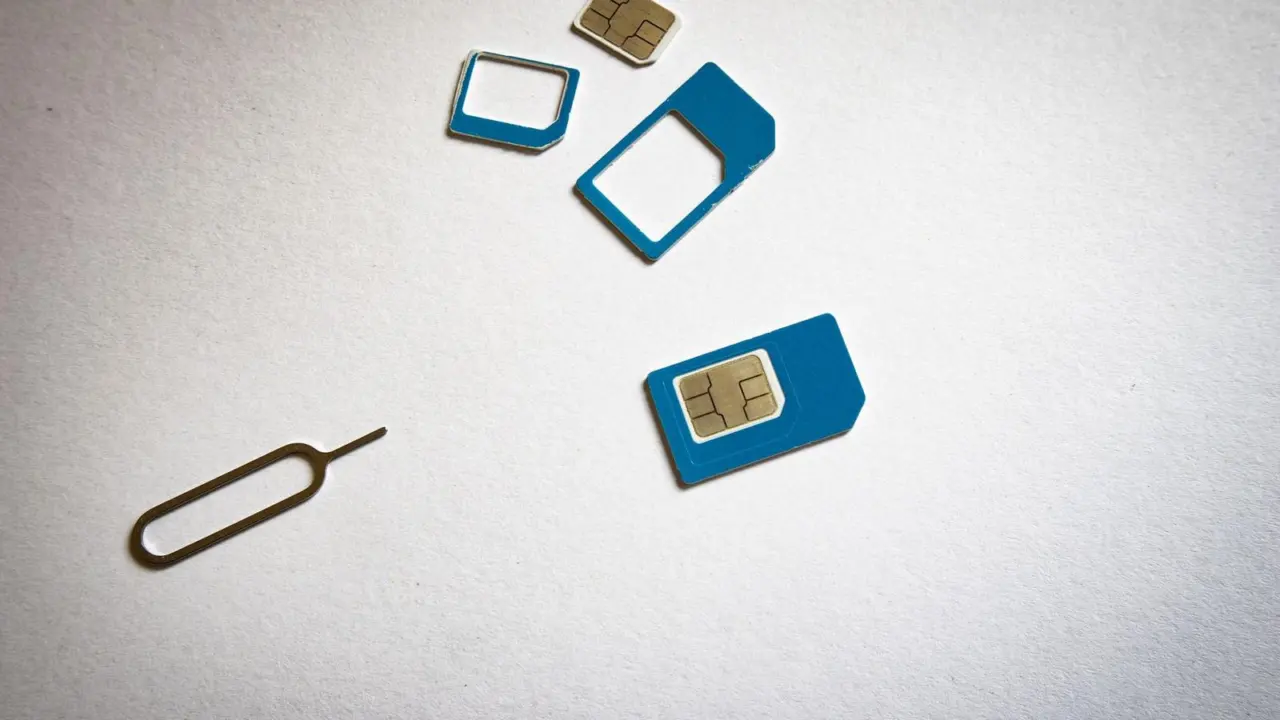
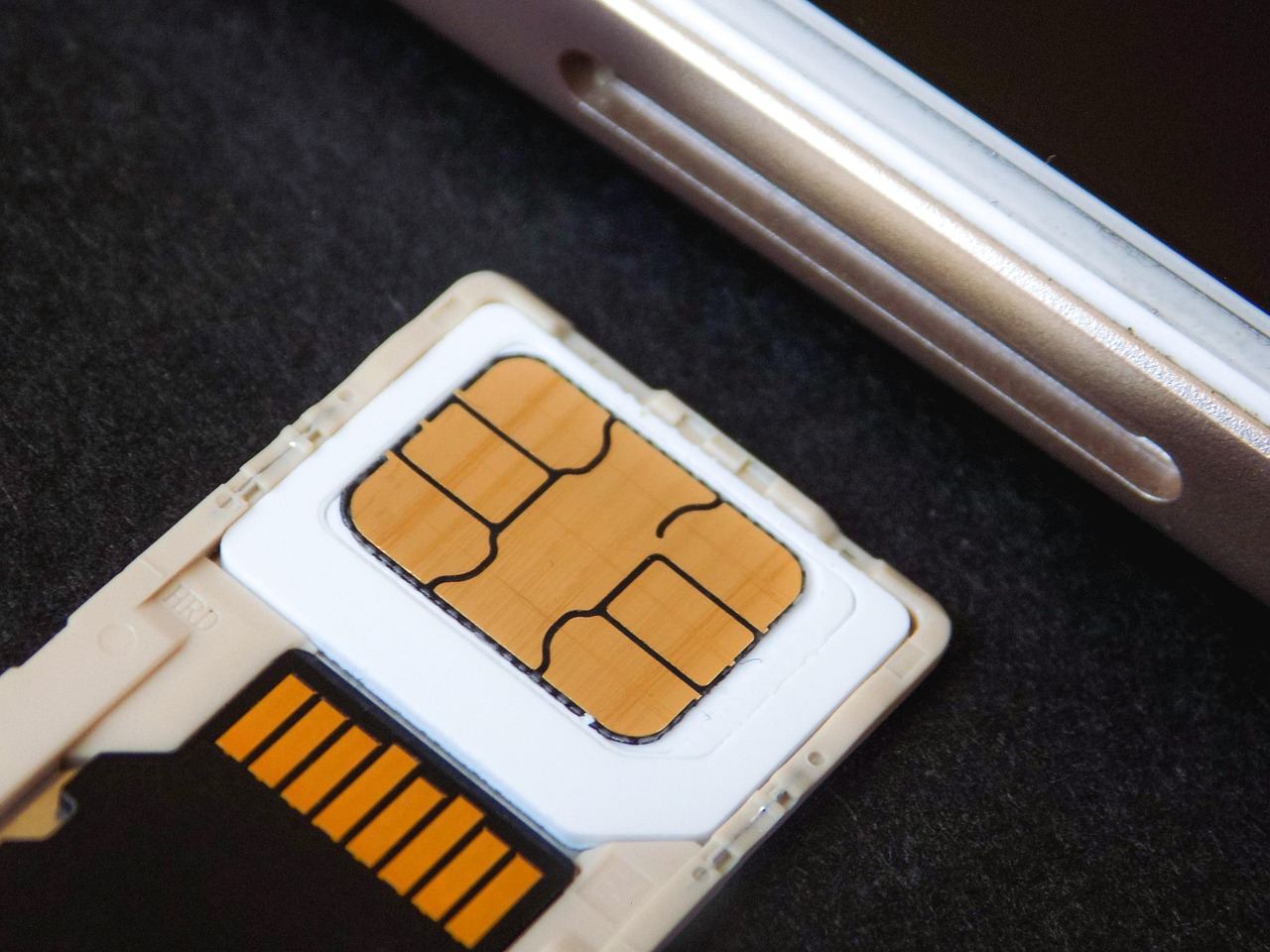
An eSIM is a SIM that lives inside the device instead of on a removable card. Apple describes it as an industry-standard digital SIM built into the iPhone, eliminating the need for a physical SIM card. On its dual-SIM page, Apple adds that an eSIM allows you to use a cellular plan from your carrier without having to use a physical nano-SIM.
The word eSIM describes a function rather than a size or a brand. The mobile industry body GSMA, which publishes the remote provisioning specification behind it, explained when it released the first version that the specification lets consumers remotely activate the SIM embedded in a device such as a smart watch, fitness band or tablet.
Your phone number and plan still belong to your carrier. The eSIM simply holds the digital profile that identifies your subscription to the network, in the same way the plastic card did before.
Why phone makers and carriers adopted it
The eSIM has broad industry backing. The GSMA said its specification is backed by the world’s largest operators, naming AT&T, Deutsche Telekom, Orange, Telefónica, Verizon and Vodafone among others, and that device makers including Apple, Huawei, LG, Microsoft, Samsung and Sony support it.
For users, Apple lists the benefits as greater flexibility, enhanced convenience, better security and seamless connectivity, especially when travelling internationally. It also says an iPhone can manage up to eight or more eSIMs. That headline figure shows how different an eSIM is from a card: a plastic SIM holds one subscription, while the digital version can store several profiles on the phone.
- eSIM industry-standard digital SIM: eSIM
- eSIM without physical nano-SIM: eSIM
- Manage up to eight or more eSIMs; benefits: eight
- Models and carrier needed: iPhone XS
- Wi-Fi needed except eSIM-only models: Wi-Fi
How an eSIM works
The carrier’s profile is downloaded to the phone over the internet. The GSMA states that its initiative was designed to help users connect multiple devices through the same subscription, and that it does not aim to replace all SIM cards in the field.
To download a profile, the phone usually needs an internet connection. Once the profile is on the phone, the plan works like any other: calls, texts and mobile data go through the carrier’s network.
Because the profile is software, it can be removed or replaced without touching any hardware. That is the main practical difference from a card.
How to set up and switch an eSIM
Apple lists several activation methods for the iPhone, and which one applies depends on your carrier’s eSIM support. They include transferring your number with eSIM Quick Transfer, eSIM Carrier Activation, scanning a QR code, and entering the details manually.
Scanning a QR code
If your carrier gives you a QR code, Apple says you can use it to set up the eSIM. During setup, tap the option to use a QR code when the Set Up Cellular screen appears. After setup, you contact your carrier for a code, open the Camera app and scan it.
Moving to a new phone
Apple states that if your carrier supports eSIM Quick Transfer, you can transfer the SIM from your previous iPhone to your new one without contacting the carrier. Apple also warns that when the plan on your new iPhone activates, it deactivates your previous SIM. Readers moving between iPhone and Android should also know that Apple states that with iOS 26 or later, some carriers and select smartphone manufacturers support transferring your eSIM from Android to iPhone, and vice versa. Otherwise Apple tells you to contact your carrier, which will move the number by Carrier Activation or provide a QR code.
The exact steps differ by manufacturer and carrier, so follow the instructions from your phone maker and your carrier for your own model.
Dual SIM, travel and compatibility
An eSIM lets one phone carry two numbers or plans at once. Apple lists uses such as one number for business and another for personal calls, or adding a local data plan when you travel outside of the country or region. Apple also notes that the iPhone can use one cellular data network at a time, while both numbers can make and receive voice calls.
Support depends on the model. Apple states that using eSIM requires an iPhone XS, iPhone XS Max, iPhone XR or later, together with a wireless carrier that supports eSIM.
Apple also says that in most cases you can activate your eSIM while setting up the iPhone, or after setup, depending on your carrier’s eSIM support. In other words, availability follows the carrier as well as the phone.
That regional variation matters if you buy a phone abroad, because the same model name can ship with different SIM hardware. Check the manufacturer’s specification page for the exact model number and region before buying. Network compatibility is a separate question too, and the explainer on sub-6 vs mmwave covers one part of what decides whether a phone gets the connection you expect.
What to check before switching
Before moving to an eSIM, confirm three things: that your phone model supports it, that your carrier offers eSIM plans, and that you know how your carrier wants the transfer done. Keep the old phone and the physical SIM until the new plan is active and working, since activation of the new plan deactivates the old one.
Think of eSIM as one item on a longer spec list. Display features such as the 120hz refresh rate and the connectivity options sit alongside it, and none of them replaces checking the details for your own country and carrier.
If something fails during setup, Apple’s support pages tell you to contact your carrier for help, since the carrier supplies the activation.
Frequently asked questions
Is an eSIM a different kind of plan?
Show answer
No. The plan, number and billing still come from your carrier. The eSIM is only the digital SIM that holds the carrier’s profile on the phone.
Can I have a physical SIM and an eSIM at the same time?
Show answer
Many phones can. Apple states that you can use Dual SIM with a physical SIM and an eSIM, and that newer iPhone models can also use two eSIMs.
Does moving to a new phone cancel the old SIM?
Show answer
Yes. Apple states that activating the plan on the new iPhone deactivates the previous SIM, so the old phone stops using that number.
Do I need to contact my carrier to get an eSIM?
Show answer
Usually. The carrier provides the activation, whether through a QR code, an app or a transfer from your previous phone.