Not by themselves. Phone camera megapixels count the pixels on the sensor, and more pixels only help when the sensor, lens and processing can use them, since smaller pixels tend to catch less light.
This page unpacks that trade-off as one part of the wider guide on how to choose a smartphone, and explains how to read a megapixel number on a spec sheet.
What a megapixel counts
A megapixel is a million pixels. As the reference article on the unit shows, a 640 × 480 VGA image contains 307,200 pixels, or about 0.3 megapixels. The number says how many sampled points make up the picture, and the same source notes that pixel count is often informally called resolution, although image resolution can also refer to spatial resolving power or sampling density.
It also helps to compare megapixels with the screens that display photos. A 3840 × 2160 frame, the size of a 4K screen, equals approximately 8.3 megapixels, which is not considered to be especially high for still photographs. Phone sensors now commonly exceed that count several times over, so most of the pixels in a very large file are never shown at once on a phone display. They matter when a photo is cropped or zoomed in, and the quality of the display itself is a separate topic covered in the guide to oled vs lcd phone screens.
The pixel size trade-off
A phone sensor is physically tiny. The reference on sensor formats says smartphone makers use a tiny sensor, usually smaller than the sensors in most bridge cameras, to keep phones slim and light. When the number of pixels rises on a sensor of constant size, each pixel gets smaller. According to the reference article on pixel binning, that means each pixel catches less light in the same time, giving a darker or noisier image in low light.
That is the reason higher megapixel counts do not automatically produce better photos. In bright daylight there is plenty of light for small pixels and the extra count can add detail. In dim scenes the same small pixels collect little light for a handheld exposure, and noise rises. The sensor format reference also notes that bigger sensors have the advantage of better image quality, though improvements in sensor technology allow smaller sensors to match the feats of earlier larger ones.

- Pixel count informally called resolution: resolution
- Pixel binning definition: combine adjacent pixels
- Binning improves low light: low-light performance
- Binned image has lower resolution, less noise: lower resolution, lower noise
- More megapixels on constant sensor size shrinks pixels: smaller pixels catch less light
Pixel binning: both worlds in one sensor
Pixel binning is the technique phone makers use to ease this trade-off. It is a process image sensors use to combine adjacent pixels, by summing or averaging their values, during or after readout. In 2×2 binning, an array of 4 pixels becomes a single larger pixel. The reference says the approach improves low-light performance while still allowing highly detailed photographs in good light.
The cost is resolution. The binned image has lower resolution, but the relative noise level in each pixel is generally reduced. The reference gives a worked example: with pixel binning activated, a 50-megapixel image sensor acts as a 12.5-megapixel image sensor, a quarter of its original resolution, with an accordingly larger surface area per pixel. It also describes nona-binning, which merges groups of nine pixels arranged in a 3×3 pattern and is most commonly implemented in sensors with a resolution of 108 megapixels and higher.
The idea is older than it looks. The reference recalls that camera makers once had to compromise by dropping the megapixel count, as HTC did in 2013 with a four-megapixel camera it called UltraPixel, which gave up detail in daylight. Binning avoids that choice by letting one sensor behave like two.
Large headline numbers on current phones
Spec sheets show how the count and the real output can differ. The reference on the Samsung Galaxy S24 family lists a 50 MP wide sensor on the Galaxy S24 and S24+, and a 200 MP wide sensor on the S24 Ultra, along with 50 MP, 10 MP and 12 MP sensors for other lenses on that model. These are manufacturer specifications relayed by a reference page, and they describe sensors rather than the size of the files a phone saves by default. With binning, a phone with a very large sensor may save images at a fraction of the sensor count in ordinary shooting.
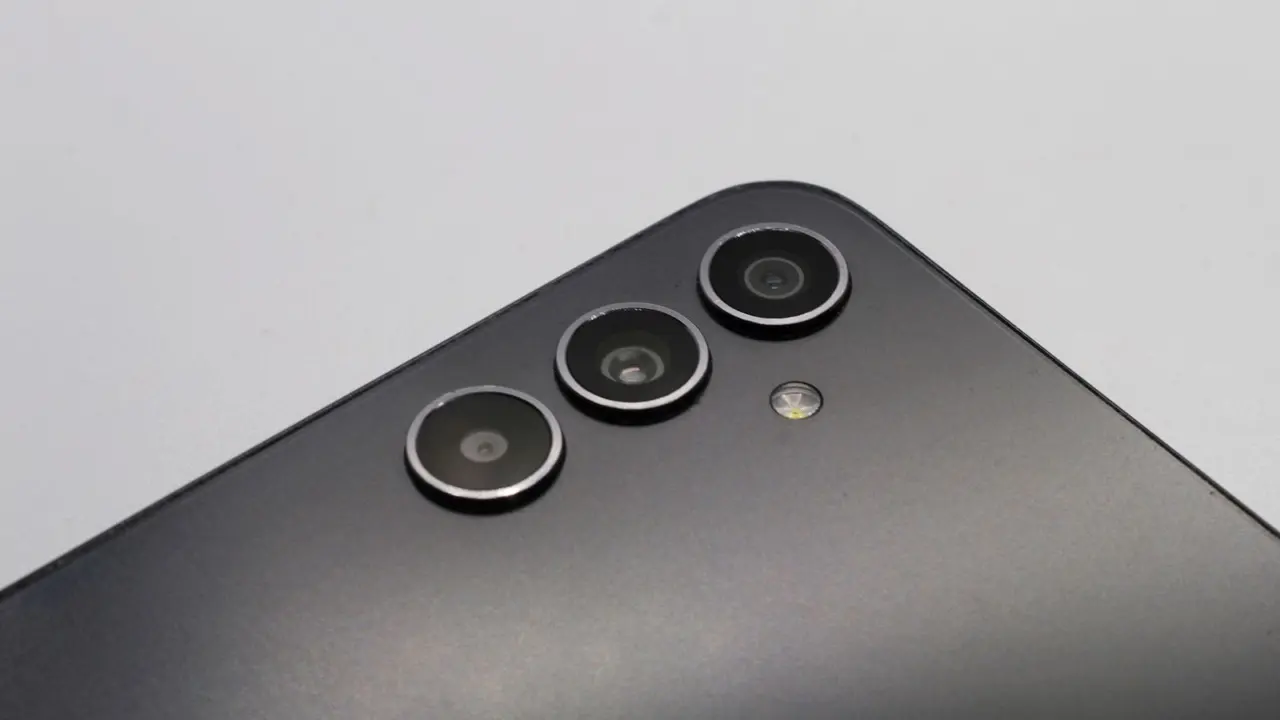
The same listing shows another point: the phone has several cameras with different counts, so the headline number often refers to just one of them. A telephoto or ultra-wide lens on the same phone may use a much lower count, and the quality of those lenses depends on their own optics and sensors.
Processing matters as much as pixels
What a phone does after capture shapes the final image. Computational photography, in the words of its reference article, refers to digital image capture and processing techniques that use digital computation instead of optical processes. It lists examples including in-camera computation of digital panoramas, high-dynamic-range images and light field cameras. In practice, combining several frames and tuning tone and noise are tasks for the phone’s chip, so the processor and its image pipeline affect results alongside the sensor. The chips behind this are covered in the guide to smartphone processors.
For a buyer comparing two phones, the practical lesson is to read the megapixel number as one specification among several, next to sensor size, lens quality and software. The manufacturer’s own specification page is the source for each model’s sensor and lens details.
When reading a spec sheet, a few questions help put a megapixel figure in context. Which camera does the number refer to: the main one, or every lens? Is the figure the sensor count, or the size of the photos the phone saves by default? Does the listing give a sensor size or a pixel size at all? A page that states only the headline count leaves most of those questions open, which is another reason to look for the full camera specification from the manufacturer.
The count also says nothing about the lens in front of the sensor. The lens decides how much light and fine detail reach the pixels in the first place, so a sensor with a very large pixel count behind a modest lens cannot record detail the optics never delivered. This is why the same pixel number can produce visibly different photos on two different phones, and why the sensor-size topic gets its own treatment in sensor-focused guides.
Frequently asked questions
Is a 200 MP phone camera better than a 50 MP one?
Show answer
Not necessarily. Pixel count is only one factor. The pixel size, sensor size, lens and processing all affect the result, and large sensors often use binning so that the saved image has fewer pixels than the sensor.
What is pixel binning?
Show answer
Pixel binning combines adjacent pixels by summing or averaging their values. In 2×2 binning, an array of 4 pixels becomes one larger pixel, which improves low-light performance at the cost of resolution.
How many megapixels is a 4K frame?
Show answer
A 3840 × 2160 frame equals approximately 8.3 megapixels, according to the 4K resolution reference.
Do more megapixels help when zooming in?
Show answer
They can, since a larger pixel count leaves more detail to crop into when the lens and sensor resolve it. In low light the benefit is smaller because small pixels collect less light.