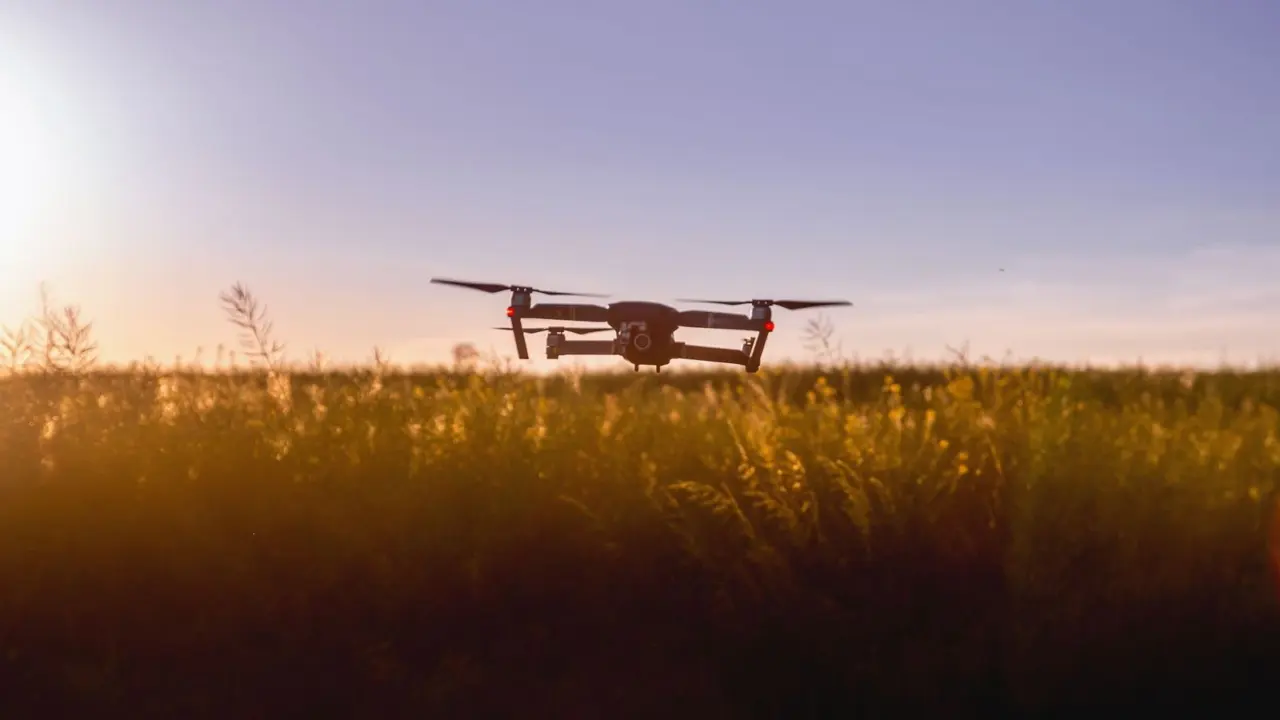
Chinese drone makers, led by Shenzhen-based DJI, build a large share of the consumer drones flown around the world. They now operate under tightening rules at home and new restrictions on new models in the United States.
This guide sits within the wider overview of Chinese tech brands and explains who the main drone companies are and which rules apply to them.
The main drone makers
DJI is the best-known name. The company says on its own About page that it has grown from a single small office in 2006 to a global workforce. According to Wikipedia, DJI was founded in 2006 by Frank Wang, and its headquarters, DJI Sky City, is in Shenzhen. DJI’s About page describes its flying and camera stabilization systems, and its products are used to capture photos and video.
Autel Robotics is a second Shenzhen-based drone brand. Wikipedia classes it among Chinese companies established in 2014 and manufacturing companies based in Shenzhen. Beyond those descriptions, the brand’s own product pages are the place to check what it currently sells.
China’s drone industry is not limited to camera drones. Reporting by Xinhua, carried by The Star, names EHang as a manufacturer of passenger drones, alongside DJI, the world’s largest consumer drone maker. The same report says drone logistics have become an important driver of China’s low-altitude economy, a label Chinese officials use for the wider sector of low-flying aircraft.
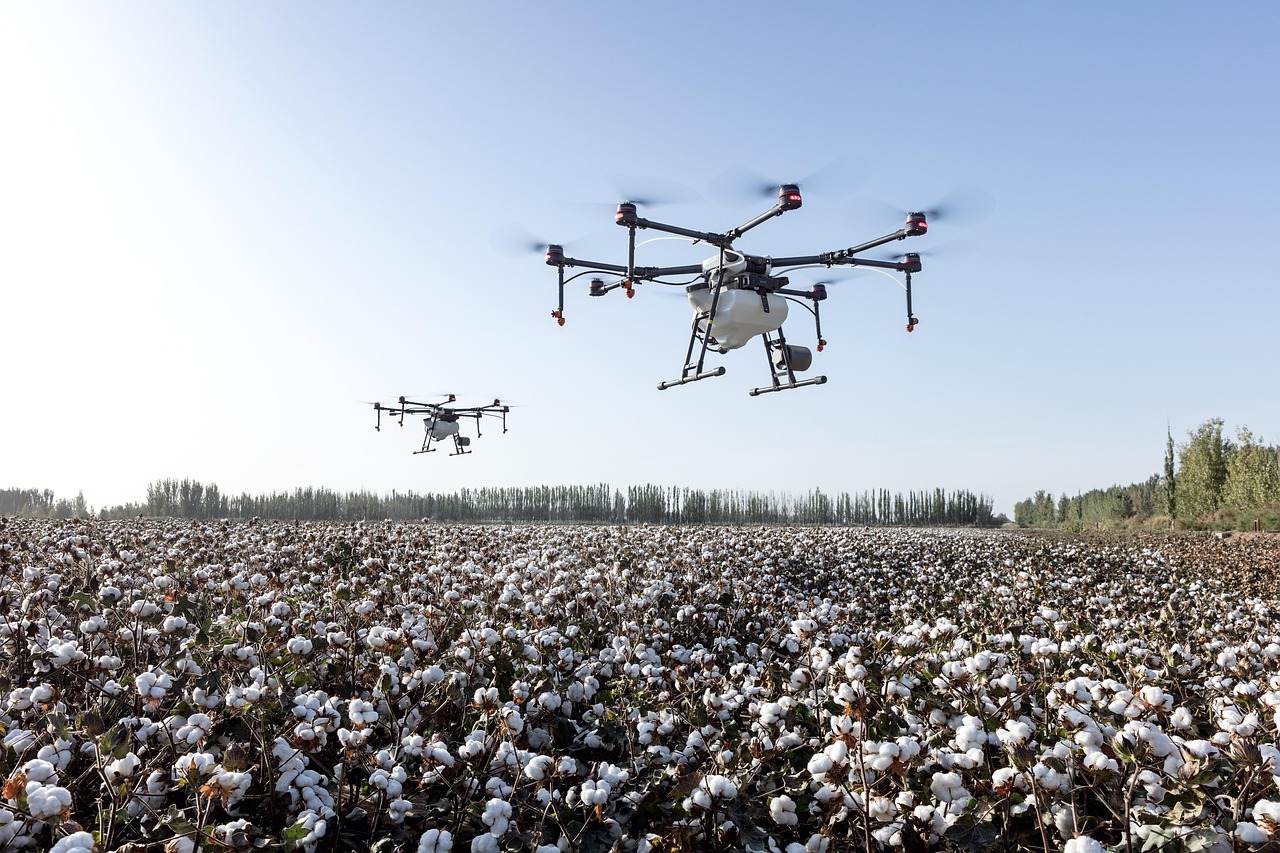
DJI has long held a dominant position in some markets. By March 2020, according to Wikipedia, DJI had retained 77% of the US market share for consumer drones, with no other company holding more than 4%. That figure is several years old and is cited here only as a dated reference point; current market-share estimates vary by analyst house and by definition of a consumer drone.
How big China’s drone sector is
China publishes official registration figures through its aviation regulator, the Civil Aviation Administration of China (CAAC). Xinhua, in a report published on gov.cn, said the CAAC had counted nearly 1.27 million registered unmanned aerial vehicles across the country at the end of 2023, up 32.2 percent year on year. The same report, citing CCID Consulting, a think tank under China’s Ministry of Industry and Information Technology, said the civilian drone sector expanded to nearly 120 billion yuan in 2023.
Registrations kept climbing. The Global Times, citing the CAAC, reported 1.875 million drones registered nationwide as of June 2024. It added that over 14,000 commercial drone enterprises were registered in China with more than 225,000 pilot licenses issued.
These are registration counts rather than sales figures, and they include drones of every size and purpose, so they say more about regulatory coverage than about how many units any one brand sold.
- DJI headquarters in Shenzhen: Shenzhen
- DJI US consumer drone share by March 2020: 77%, 4%
- Autel based in Shenzhen: Shenzhen
Rules inside China
China has tightened its drone rules in steps. According to Xinhua, as carried by The Star, China has implemented interim regulations for unmanned aircraft starting from 2024, which stipulate that civil unmanned aircraft must be registered under real names. The regulations also specify that micro, light and small civil unmanned aircraft do not require airworthiness certification, while medium and large ones must apply to the CAAC.
The same report says that on December 27 (the report is dated 28 Dec 2025), the Standing Committee of the National People’s Congress approved changes to the Civil Aviation Law adding a provision on airworthiness certification for drones. Under the new rules, effective on July 1 of the following year, all entities involved in the design, production, import, maintenance and operation of drones must obtain airworthiness certification. The report says the tighter requirements will affect manufacturers such as DJI and EHang.
Rules in the United States
Two separate United States regimes affect Chinese-made drones: the Federal Aviation Administration’s Remote ID rule, which applies to how a drone is flown, and the Federal Communications Commission’s Covered List, which affects which new models can be sold.
The FAA explains that Remote ID is the ability of a drone in flight to provide identification and location information that can be received by other parties through a broadcast signal. Drones which are required to be registered or are registered, including those flown for recreation, business, or public safety, must comply with the rule. The FAA describes a FAA-Recognized Identification Area as a defined geographic area where drones can be flown if they do not have Remote ID equipment. The rule applies to drones of every nationality, not only Chinese ones.
The FCC action is different, and it targets origin. On December 22, 2025, the FCC announced that it had received a specific determination that unmanned aircraft systems and their critical component parts produced in foreign countries pose unacceptable risks to the national security of the United States and to the safety and security of US persons, and updated its Covered List to include them. The FCC’s public notice states that it also added the communications and video surveillance equipment and services listed in section 1709 of the FY2025 National Defense Authorization Act.
What the FCC decision does and does not change
The FCC’s own fact sheet is explicit about the limits. It says the decision does not impact a consumer’s ability to continue using drones they previously purchased or acquired. It adds that the decision does not prevent retailers from continuing to sell, import or market device models approved earlier or previously through the FCC’s equipment authorization process, and that the restrictions apply to new device models.
In practice, then, the listing is a restriction on new equipment authorizations rather than an immediate ban on drones already in the market. Whether and how it is later widened, narrowed or challenged in court is outside the scope of this guide, and the FCC’s published notices are the place to check the current position. This guide takes no view on the merits of the national security determination, which the FCC describes as coming from an Executive Branch interagency body.
For flyers, the practical point is that two sets of rules apply together. Remote ID applies to registered drones whatever their origin, and the Covered List concerns what may be newly authorized. Readers who own a drone should consult the FAA and the manufacturer’s documentation for what applies to their specific model.
Drones in the wider Chinese hardware picture
Drone makers sit within a manufacturing ecosystem that also produces phones and other consumer electronics. The overview of BBK Electronics brands shows how Oppo, Vivo, OnePlus and Realme are connected, a useful comparison for how Chinese consumer-electronics groups organise several brands under one corporate parent.
Contract assembly is a different part of the supply chain. The guide to who makes iPhones covers Foxconn and the assembly supply chain, which gives context for how consumer electronics are manufactured at scale.
Frequently asked questions
Who is the largest Chinese drone maker?
Show answer
DJI, which Xinhua reporting carried by The Star describes as the world’s largest consumer drone maker.
Where is DJI based?
Show answer
DJI is headquartered in Shenzhen, according to Wikipedia, and was founded in 2006.
Does the FCC listing stop people using drones they already own?
Show answer
According to the FCC fact sheet, no: owners of drones they previously purchased or acquired can keep using them.
Does Remote ID apply only to Chinese drones?
Show answer
No. The FAA says drones required to be registered, or already registered, must comply with the Remote ID rule.