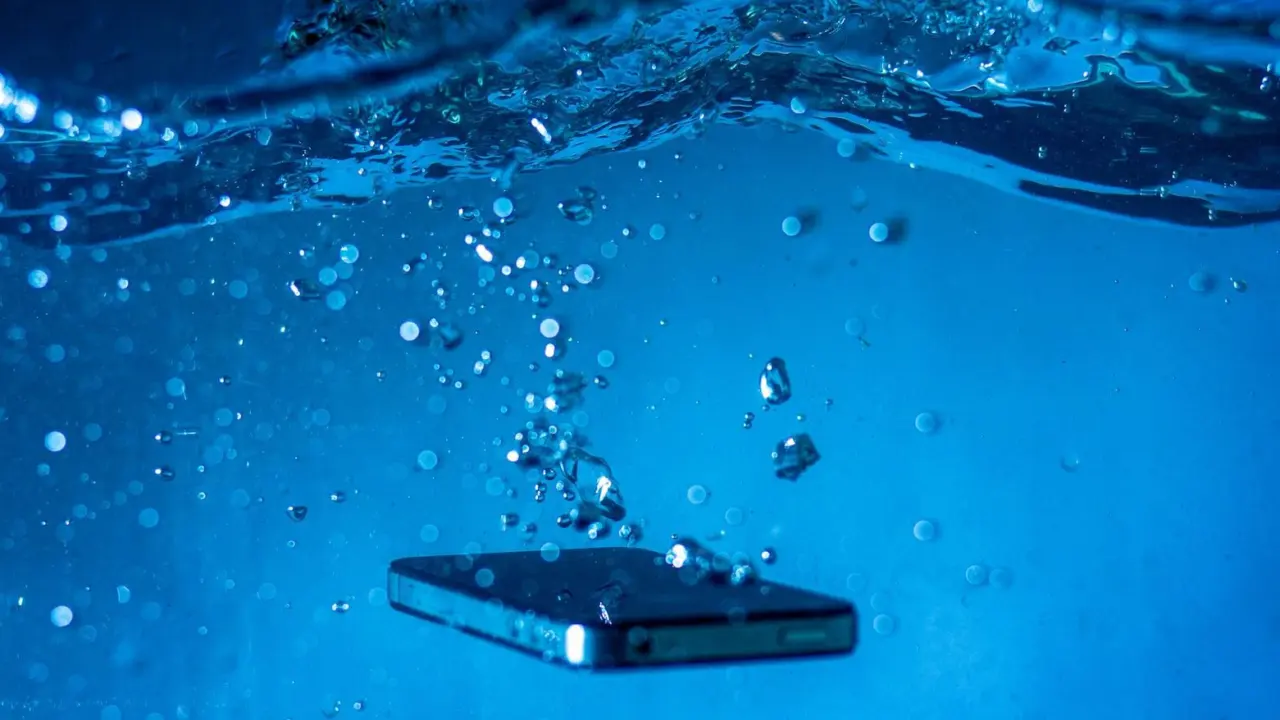
An IP68 rating means a device is dust-tight and has passed a test for continuous immersion in water, with depth and duration set by the maker. IP67 covers temporary immersion to about a metre, so the two ratings are close but not identical.
Water resistance is one of several specifications worth weighing, alongside the others covered in the guide on how to choose a smartphone, and the sections below explain what the letters and digits promise.
What the IP code stands for
The IP code comes from the international standard IEC 60529, which describes degrees of protection provided by enclosures. IP stands for Ingress Protection, and the code is followed by two digits. According to the Standard Clarity summary of IEC 60529, the first digit rates solids and contact with hazardous parts (0 to 6), the second rates water (0 to 9), and an X in either position means that characteristic was not declared, not that protection is zero.
That is why a rating such as IPX8 can appear on a spec sheet. The X shows that no solid-particle level was declared, while the 8 gives the water level. In IP67 and IP68 the first digit is 6, which the same source describes as dust-tight, so the difference between the two lies entirely in the second digit.
The solids scale is short. The source adds that a first digit of 6 is the ceiling, and there is no 7, 8 or 9 for solids. A phone with a 6 in the first position has therefore reached the top of the dust scale, and any further difference between two phones comes from the water digit.
IP67 compared with IP68
The second digit decides the difference. Under the Standard Clarity summary, IP67 covers temporary immersion to about 1 m, while IP68 covers continuous immersion deeper than 1 m under conditions the manufacturer specifies. The standard does not fix a single depth or time for IP68, so the exact depth and duration vary from product to product.
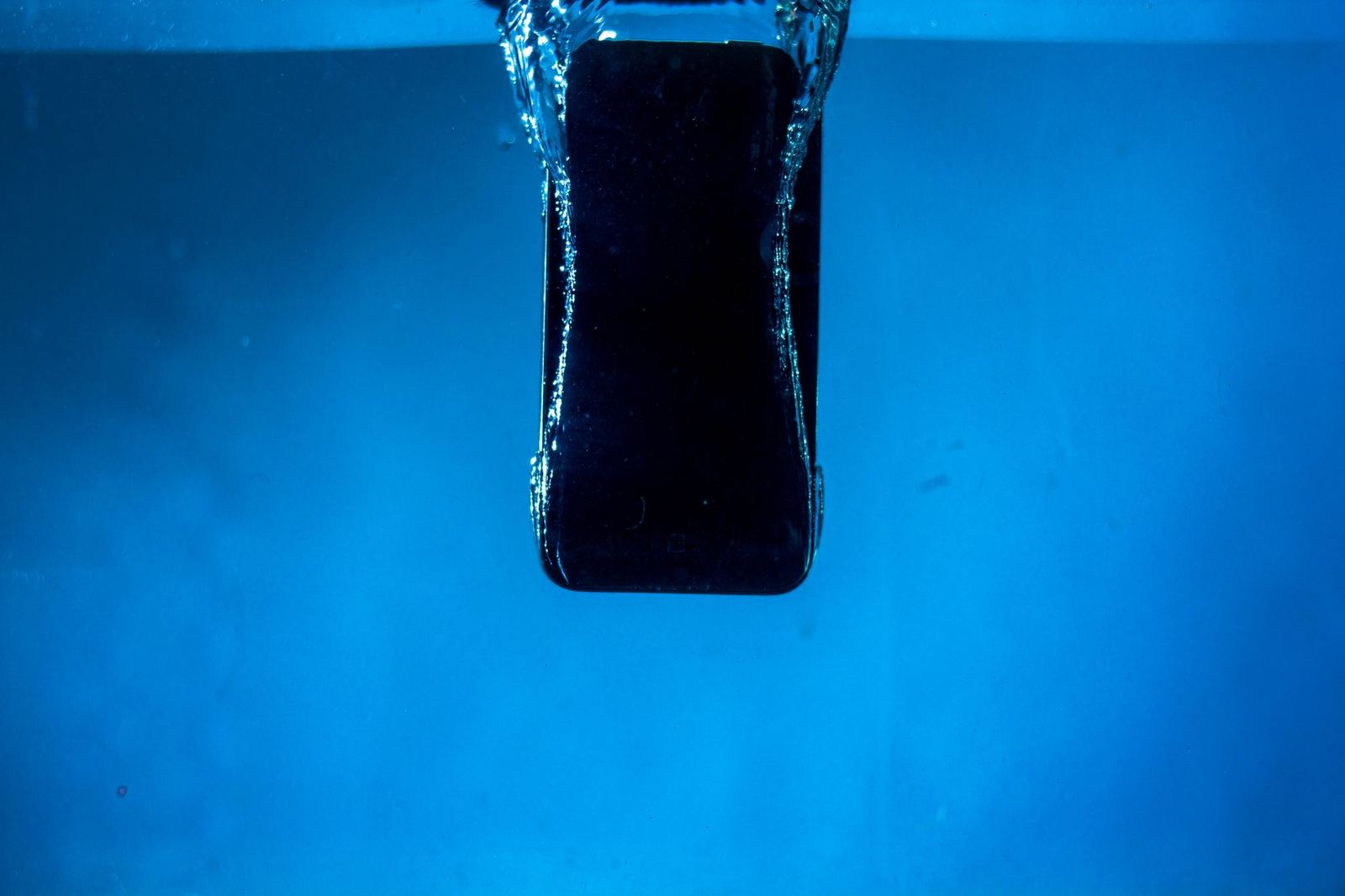
The practical lesson is that an IP68 label alone is incomplete. Two phones can both carry it with different test conditions behind it, so the manufacturer’s stated depth and time are the useful part of the claim.
The water digits also do not form one ladder. The summary notes that jet tests (5, 6) and immersion tests (7, 8) check different things, so passing one does not imply the other. A phone rated for immersion has not automatically been tested against jets of water.
How Apple states its ratings
Apple publishes the depth and time for each iPhone tier on its water and dust resistance support page. It groups models by rating under IEC standard 60529, and the figures differ between generations.
- IP68, 6 metres: a maximum depth of 6 metres up to 30 minutes, which the page lists for models from the iPhone 12 range upwards.
- IP68, 4 metres: a maximum depth of 4 metres up to 30 minutes, listed for iPhone 11 Pro and iPhone 11 Pro Max.
- IP68, 2 metres: a maximum depth of 2 metres up to 30 minutes, listed for iPhone 11, iPhone XS and iPhone XS Max.
- IP67, 1 metre: a maximum depth of 1 metre up to 30 minutes, listed for models including the iPhone SE (2nd generation) and iPhone 8.
The tiers show the point made above: IP68 on an iPhone has meant different depths depending on the generation. Apple’s page also says these models are resistant to accidental spills from common liquids, such as soft drink, beer, coffee, tea, and juice.
How Samsung states its ratings
Samsung’s approach is similar but uses different depths. Its Galaxy phone water resistance page says the IPx7 rating provides 30 minutes of water resistance at a depth of 1 metre and the IPx8 rating provides 30 minutes of water resistance at a depth of 1.5 metres.
The page describes how the IPx8 figure was obtained: the classification was tested by submerging the device in 1.5m of fresh water for 30 minutes, leaving it still, without any movement, to meet the requirements of IEC 60529 certification. It also notes that the level and rating may vary depending on the model, and tells owners to check the instruction manual if their device is not listed.
Samsung’s description shows that a rating comes from a defined test: still, fresh water at a stated depth for a stated time. Moving water, greater depth or other liquids were not part of that test.
What the rating does not cover
Both manufacturers warn that the protection is not permanent. Apple says splash, water and dust resistance are not permanent conditions and resistance might decrease as a result of normal wear, and that liquid damage is not covered under warranty. Samsung says the water resistance of Galaxy phones is not permanent and may be naturally weakened over time or through natural wear and tear.
The activities to avoid are named too. Apple’s list of things to avoid to prevent liquid damage starts with swimming or bathing with the phone and exposing it to pressurised water or high-velocity water. Samsung advises against exposing the product to unclean water or liquids such as salt water, pool water, soapy water, oils, perfumes, sunscreen, hand sanitizer, chemicals such as cosmetics, and liquids containing alcohol.
If a phone does get wet
Apple’s guidance is to unplug all cables and not charge the phone until it is completely dry. It says to allow at least 5 hours before charging with a Lightning or USB-C cable or connecting an accessory, to leave the phone in a dry area with some airflow, and not to dry it using an external heat source. Samsung’s page and the phone’s own manual give model-specific instructions, which take priority over any general advice.
Rating labels belong next to the other lifespan questions buyers ask. How long a phone stays secure, for instance, is a separate issue covered in the guide to android update policy differences, and charging speed is compared in the overview of phone fast charging standards.
Reading a water-resistance claim
A short checklist keeps the claim in proportion.
- Find the depth and time: an IP68 label means more once the maker states the depth and minutes, since the standard leaves them to the manufacturer.
- Check the model: ratings differ between generations and series, as both the Apple and Samsung pages show.
- Look at the liquid: the tests use fresh water, while the makers warn against salt water, soapy water and other liquids.
- Allow for wear: both makers say resistance is not permanent.
Frequently asked questions
Is IP68 better than IP67?
Show answer
IP68 covers continuous immersion deeper than the roughly one metre of IP67, but the depth and duration are set by the manufacturer, so the comparison depends on the stated conditions.
Does the X in IPX8 mean no dust protection?
Show answer
No. An X means that characteristic was not declared, not that protection is zero.
Is a water-resistant phone covered for water damage?
Show answer
Apple states that liquid damage is not covered under warranty, so a rating is not an insurance promise.
Can I swim with an IP68 phone?
Show answer
Apple lists swimming or bathing with the phone among the things to avoid, and Samsung says not to expose its phones to salt water, pool water or high water pressure.