Chinese EV brands such as BYD, NIO, Xpeng and Li Auto now sit at the centre of the global electric car market, led by a home market where electric cars made up almost half of all sales in 2024.
The industry overlaps with phones, batteries and software, which is why it appears in the wider map of chinese tech brands covered elsewhere on this site.
The scale of China’s electric car market
The International Energy Agency reports that China maintained its lead in electric car sales, with electric cars accounting for almost half of all car sales in 2024. The agency adds that the more than 11 million electric cars sold in China that year were more than global sales just two years earlier. It also notes that 1 in 10 cars on Chinese roads is now electric.
Manufacturing follows the same pattern. According to the IEA, China is responsible for more than 70% of global electric car production. Car makers headquartered in China mainly serve their home market, accounting for around 80% of domestic sales in 2024. For 2025 the agency projected that electric cars would reach around 60% of total car sales in the country.
The IEA links the pace of growth to prices. It says two-thirds of all electric cars sold in China in 2024 were priced lower than their conventional equivalents, without considering purchase incentives. It also reports that battery pack prices in China fell by about 30% that year, compared with 10-15% in Europe and the United States.
Reading the labels: BEV, PHEV and range extenders
Sales statistics for Chinese brands often blur several drivetrain types, so the terms are worth knowing. A battery electric vehicle, or BEV, runs only on a battery and an electric motor. A plug-in hybrid, or PHEV, has a battery that can be charged from the grid plus a combustion engine that can drive the wheels. A range-extender model uses a combustion engine mainly to generate electricity for the battery rather than to drive the wheels directly.
The distinction matters because headline figures such as “new energy vehicles” usually combine BEVs and plug-in hybrids. When comparing makers, check which category a number covers. It also matters for trade rules, since the European Union’s measures, described below, are written around battery electric vehicles, including those with an internal combustion range extender.
- China EV share 2024: almost half
- China share of global EV production: 70%
- Chinese-HQ makers domestic share: 80%
- EU imports from China: 60%
- Brazil Chinese share: 85%
BYD: the volume leader
BYD is the name most often linked with the Chinese industry’s growth. Industry reporting based on the company’s own monthly figures says BYD’s full-year 2024 sales reached 4.27 million new energy vehicles. That total counts both plug-in hybrids and fully electric cars, and the same reporting puts BYD’s passenger battery-electric sales at 1,764,992 units in 2024.
The company’s focus on electrified models is long-standing. BYD ceased production and sales of vehicles powered entirely by internal combustion engines in March 2022, switching to focus on plug-in hybrid and battery electric models.
Exports are a growing part of the picture. Gasgoo reported that BYD sold 417,204 passenger vehicles overseas in 2024.
NIO, Xpeng and Li Auto: the challenger brands
A group of newer companies makes up the second tier. NIO says it was founded in November 2014, and that its Chinese name, Weilai, translates as Blue Sky Coming. Its distinctive service is battery swapping: NIO Power advertises a fully automatic battery swap in 3 minutes, as an alternative to plugging in. In 2024 NIO launched the Onvo and Firefly brands for the mass market, according to a public encyclopedia entry on the company.
Xpeng is described as a Chinese electric vehicle manufacturer, and Li Auto as a Chinese electric vehicle maker headquartered in Beijing. Each competes on software and driver-assistance features as much as on range, and that overlap with consumer electronics is why such companies are often grouped with phone makers in discussions of China’s technology sector. Readers interested in another long-running Chinese technology group can read the lenovo history article.
Charging and running costs
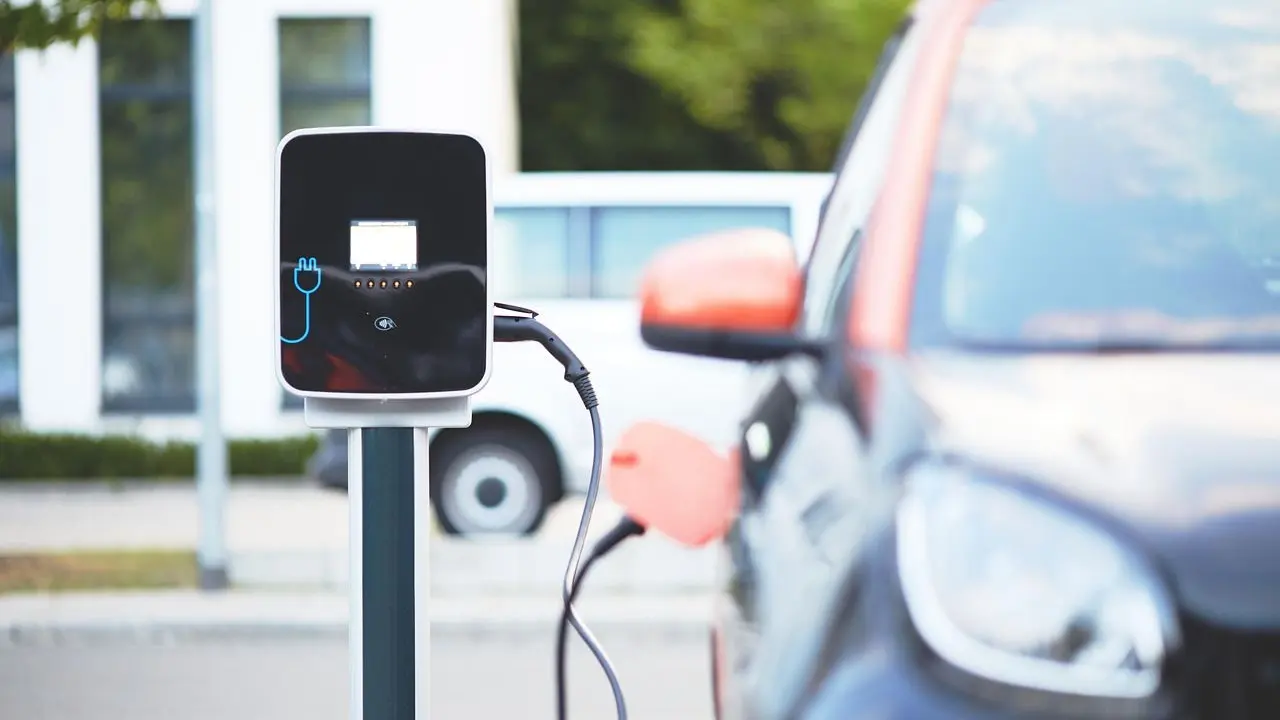
Home charging is the cheapest way to run an electric car in most places, and China is no exception. The IEA says public fast charging in China costs around twice as much as home charging, but would still offer savings for EV owners compared with driving a conventional car.
Battery swapping, as offered by NIO, is a different approach. Instead of waiting for a charge, the driver exchanges the depleted battery pack for a charged one at a station. It needs dedicated stations and compatible vehicles, so it is tied to a single brand’s network rather than working like a universal plug.
Exports and the EU tariff response
The IEA says Chinese EV export markets are diversifying as Chinese automakers make headway in Brazil, Mexico and Southeast Asia. Of EU electric car imports, 60% came from China, and in Brazil Chinese imports reached 85% of electric car sales. Overseas factories owned by Chinese manufacturers supply about 5% of electric car sales in emerging markets, a share the agency says is set to grow.
That growth drew a trade response. The IEA notes that several potential markets for Chinese EV exports have recently adopted or are considering the use of tariffs. In the European Union, the Commission adopted definitive countervailing duties on battery electric vehicles from China, applicable as of 30 October 2024 for a period of five years. Rates differ by producer: BYD Group 17.0%, Geely Group 18.8%, SAIC Group 35.3%, and 20.7% for all other cooperating companies.
The Commission’s stated reason was its conclusion that the battery electric vehicle value chain in China benefits from unfair government subsidies that are causing a threat of economic injury to EU producers. The duties apply only to the EU. Other markets treat Chinese-built cars under their own rules, so the picture varies by country.
What this means for visitors and buyers
Chinese EV brands rely heavily on app-based services, with features such as unlocking, navigation, charging and payment often handled through a phone. Visitors who want to use local mobile services can read the guide to alipay for foreigners, since payments in China frequently run through the same payment apps.
Model names, trims and software features can differ between the Chinese and export versions of the same car, so the manufacturer’s market-specific specification page is the reliable reference. Warranty terms, charging connector type and available features all depend on the country where a vehicle is sold, and a buyer outside China should confirm them with the local seller before relying on a spec sheet from another market.
Frequently asked questions
Which Chinese company sells the most electric cars?
Show answer
BYD reported full-year 2024 sales of 4.27 million new energy vehicles, a figure that includes plug-in hybrids as well as battery-electric cars.
What does NIO mean?
Show answer
NIO says its Chinese name, Weilai, translates as Blue Sky Coming.
Do the EU duties apply to every Chinese car?
Show answer
They apply to new battery electric vehicles from China, with a separate rate for each producer or group.
Are Chinese EV makers only selling in China?
Show answer
No. The IEA notes that Chinese makers are gaining ground in markets such as Brazil, Mexico and Southeast Asia.